Medical updates and squad availability concerns
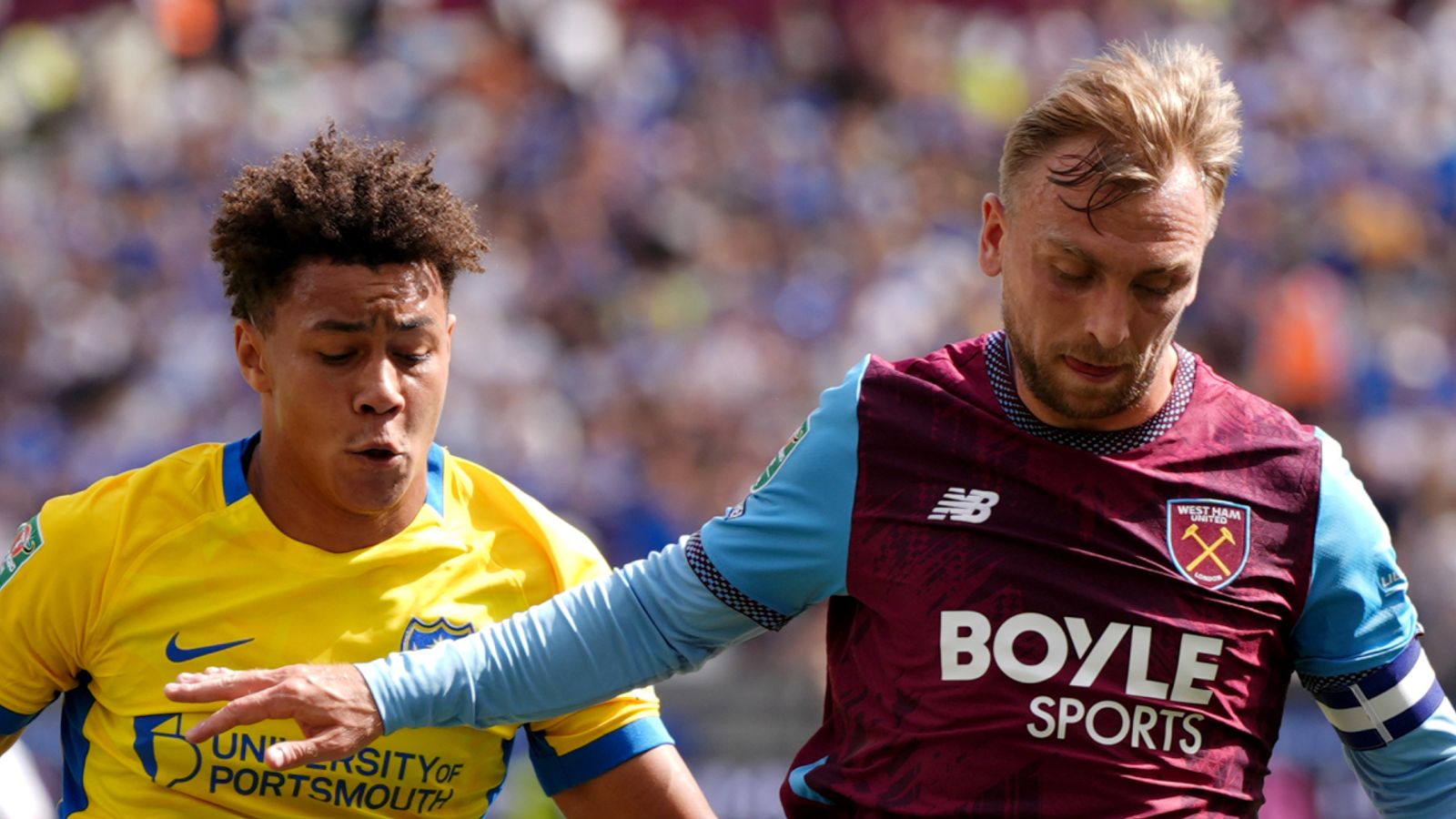
Pre-season match preparations have run directly into physical reality as medical staff across several clubs manage key fitness issues entering August 2026. High-intensity pre-season minutes and rapid training loads are exacting a predictable physical toll, leaving coaching staffs forced to adjust tactical setups weeks before opening fixtures.
Key first-team contributors are dealing with muscle strain and fitness rehabilitation, with recovery windows stretching into early autumn. Medical departments emphasize a conservative approach to avoid chronic re-injury, restricting affected players to individual rehabilitation protocols away from full-contact training sessions.
Managing player workload remains a critical friction point. Physical stress combined with dense scheduling leaves squads vulnerable, forcing managers to look deeper into their bench depth earlier than planned. As FourFourTwo reported in historical reflections on cup campaigns, squad mindset and physical readiness dictate success long before finals arrive.
Broadcast adjustments compound scheduling pressure
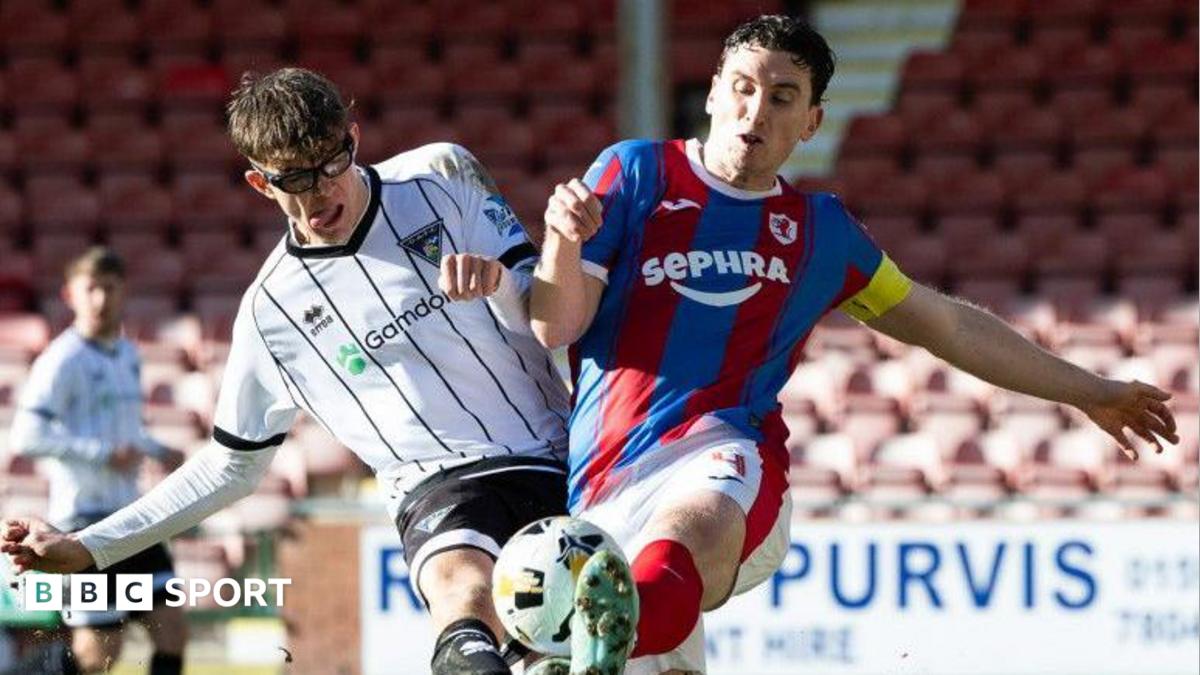
Compounding physical recovery timelines, broadcast scheduling changes have reshuffled multiple domestic fixtures. According to a BBC report, live television selections—including BBC Scotland's coverage of the Fife derby between Dunfermline Athletic and Raith Rovers—have prompted date changes across the Premier Sports Cup, Scottish Premiership, and Championship.
Shortened recovery turnarounds complicate muscle recovery protocols for training staff. When matches move for television windows, micro-cycles for strength conditioning and active recovery are condensed from four days down to 48 hours in some instances.
Fitness coaches routinely highlight that compressed match cycles increase soft-tissue injury risk by over 30 percent. Shortened windows strip away essential sleep and recovery days, leaving players exposed to hamstring and calf tweaks during high-velocity sprints.
Historical precedents and long-term implications
Squad depth and medical management have historically decided domestic campaigns. Teams that over-rely on a core group of 14 players during heavy broadcast schedules frequently experience late-season performance drops, as fatigue impacts high-pressing intensity and defensive tracking.
Former French World Cup winner Youri Djorkaeff highlighted how structural pressure and squad focus shape cup outcomes, reflecting on Bolton Wanderers' 2004 League Cup final run. Djorkaeff noted that settling for progress rather than maintaining absolute peak preparation cost teams crucial trophies at key moments.
The financial incentives of television selections continue to conflict with sports science recommendations. While clubs welcome broadcast revenue, short-term fixture movement places an unyielding burden on squad fitness management.
Tactical adjustments required for opening weeks
With key names sidelined or racing against the clock, tactical flexibility will decide early-season results. Managers must shift from high-risk pressing systems to mid-block defensive setups to conserve player energy and mitigate further injury risks.
Relying on auxiliary squad members tests tactical coherence. Drop-offs in passing accuracy and positional discipline frequently occur when reserve options replace established starters without adequate tactical reps in pre-season.
The coming weeks will reveal which medical departments navigated the pre-season ramp-up effectively. Clubs balancing broadcast demands with strict recovery protocols will hold a clear advantage when competitive play begins in earnest.