The FIFA commercial push and the physical toll
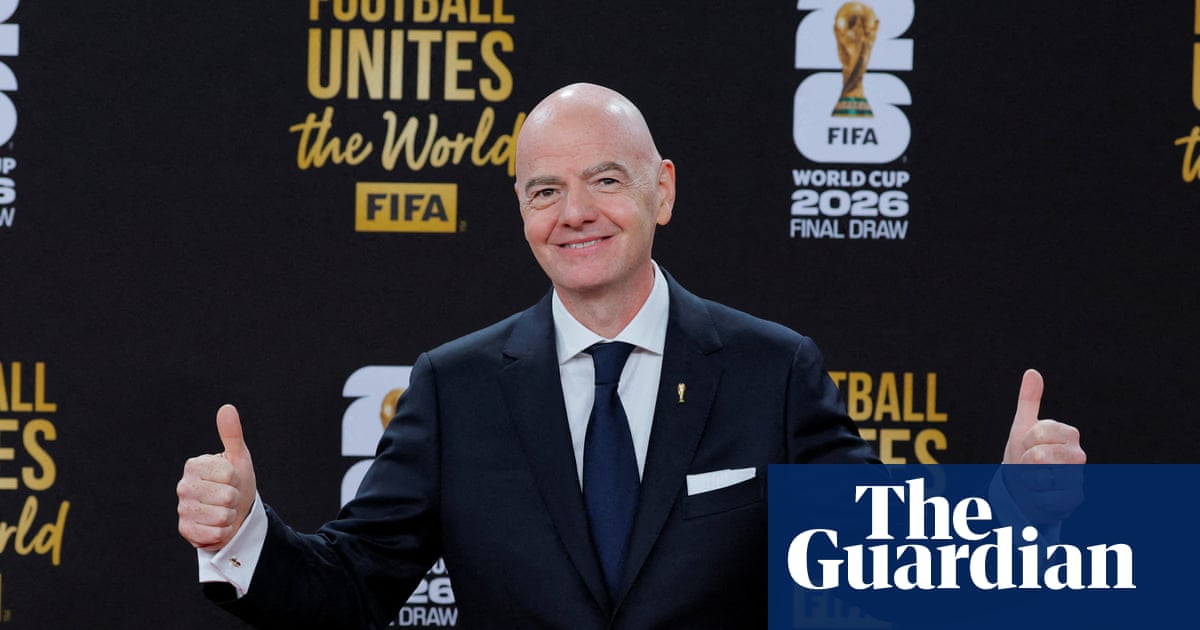
FIFA is aggressively shopping a 25-page sales pitch to its member associations, aiming to sell the commercial rights for the World Cup. The document, prepared by JP Morgan, outlines a clear path to revenue via increased tournament frequency. The pitch is pure economics: more games equal more broadcast inventory.
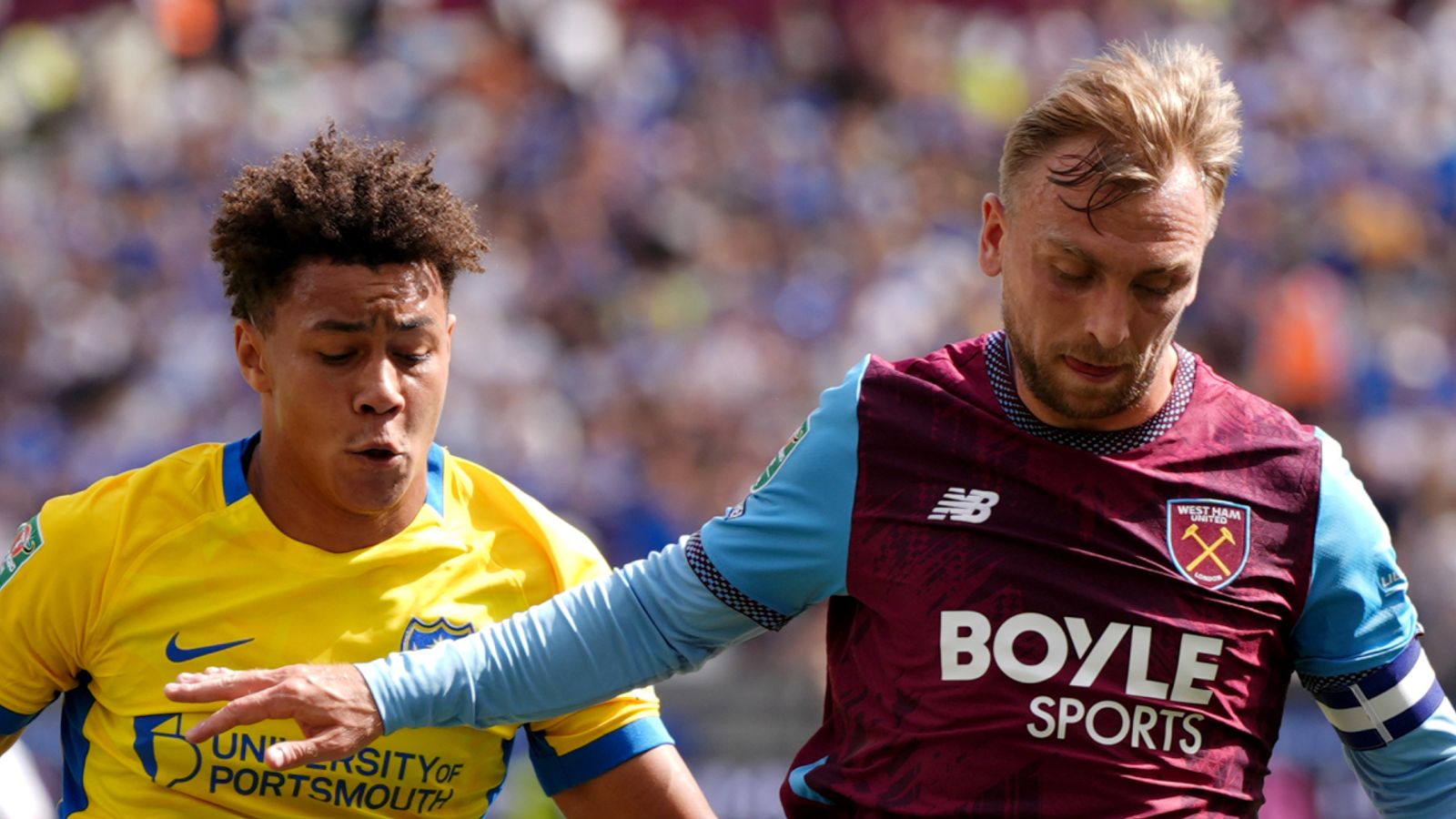
This push for high-frequency competition is happening while the sport faces a record-high injury rate among elite professionals. Players reaching the final stages of domestic and international competitions are regularly clocking over 60 matches per season. The physical reality of these schedules is not lost on top tier athletes or their medical staffs.
The medical consequence of tournament bloat
Medical experts warn that modern match loads exceed physiological recovery windows. The result is a sharp rise in soft-tissue injuries, specifically hamstrings and ACL tears. History shows this pattern; when the 2022 World Cup forced a compressed domestic schedule, mid-season muscle injuries surged across top leagues by nearly 20 percent according to longitudinal health data.
As The Guardian reported, the FIFA strategy relies on the expansion of tournament slots to secure debt financing or private equity investment. The commercial pitch ignores the long-term cost of lost star power due to fatigue-related absences. When a primary revenue driver like a top-tier striker suffers an overuse injury, the game loses more value than the incremental match revenue provides.
Strategic risks for clubs and leagues
The strategic implication is a misalignment between FIFA’s revenue goals and the operational stability of professional clubs. Clubs hold the liability for player salaries and rehabilitation costs. If FIFA increases the global match count, they are effectively shifting the physical risk of these players onto the balance sheets of domestic leagues.
Competitors like the Premier League and La Liga face an existential conflict. Their product quality depends on top-level performance, which is undermined by rotational fatigue. We are currently seeing a decline in tactical cohesion during the final months of league play, likely tied to the exhaustion of core squads.
Missing data and the failure of representation
Perhaps the most damning detail in the JP Morgan-backed deck is the complete omission of the women's game. FIFA is prioritizing the expansion of the men's commercial portfolio without presenting a clear growth structure for the burgeoning women's sector. This is a strategic oversight that complicates the long-term legitimacy of their growth projections.
The scheduling pressure is not sustainable. Managers are frequently forced to rotate starting lineups in must-win matches, causing frustration for fans who pay premium ticket prices. A competition is only as valuable as the health of the personnel involved. If players are hitting the treatment table more frequently in 2026, the product is deteriorating regardless of the volume of tournaments.
We are watching a classic case of short-term revenue pursuit overriding athlete safety protocols. The historical precedents of expanded tournament formats, such as the 2025 Club World Cup, suggest that performance levels drop when recovery is sacrificed. Without a cap on these fixtures, the injury rate will remain at its current peak throughout the remainder of the calendar year.