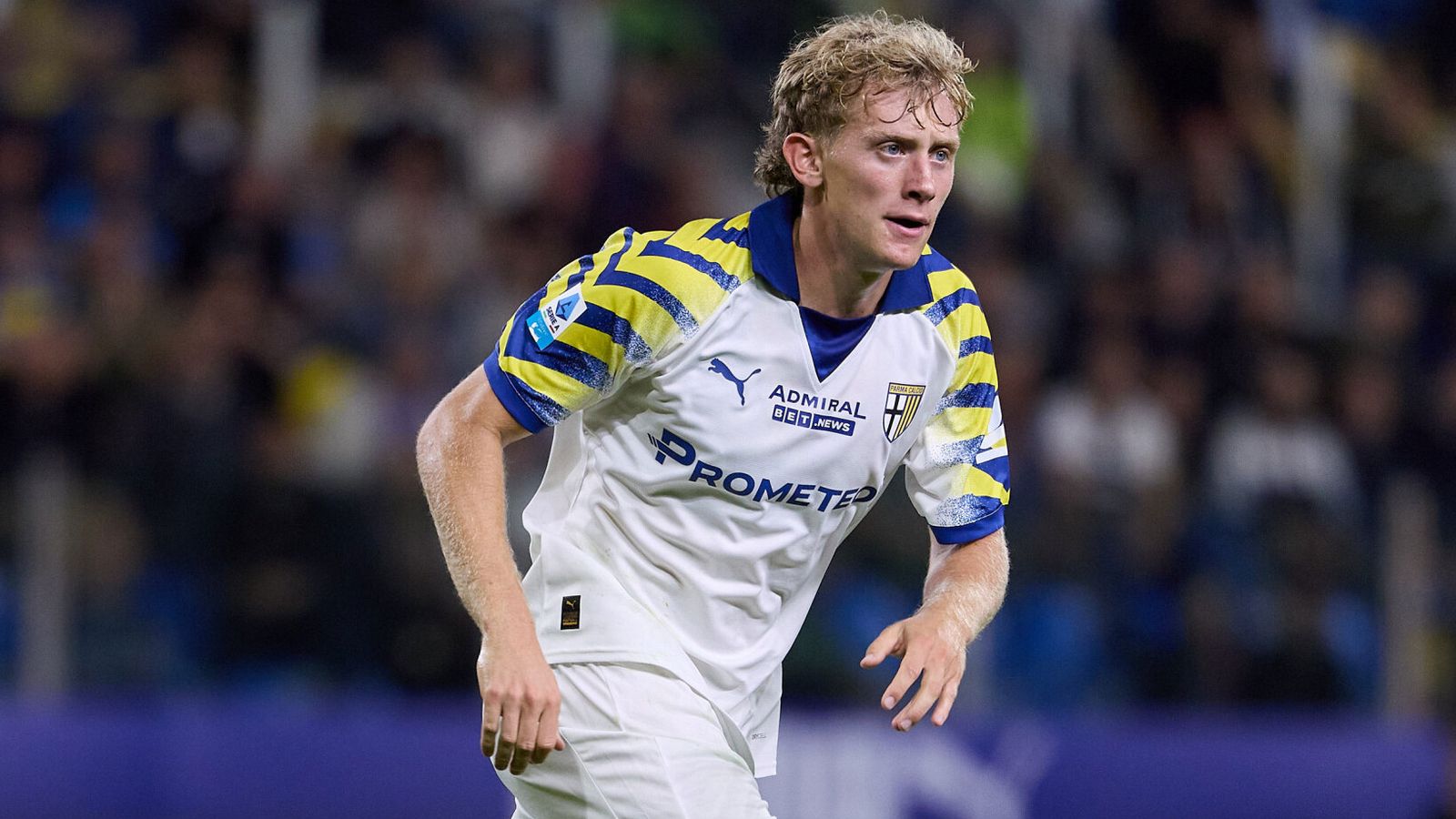
Lawrence Shankland stepping up is the final piece of Philippe Clement's puzzle

The captaincy shift at Ibrox reveals a tactical evolution
When Philippe Clement announced Lawrence Shankland as the new Rangers captain, the move carried significant weight beyond the symbolic gesture of adding an armband to a kit. Look closely at the pitch map from the tail end of last season; Shankland was not just the primary focal point of the attack, but the leading defensive trigger in the final third.
Management analysts have spent the summer dissecting Clement's high-pressing setup. By handing the leadership role to his top scorer, the manager is institutionalizing his tactical requirements. From the 2025 campaign, Shankland recorded a conversion rate of 26 percent on shots inside the box, a rare efficiency that allowed the team to sustain pressure when legs became heavy in the closing stages.
Translating clinical finishing into defensive accountability
There is a specific danger in tethering a captaincy to a scoring output. When the goals dry up, the authority on the pitch often wanes. However, Shankland’s transition into this role functions differently than the tenure of his predecessors. He sits deeper in his engagement, tracking back to screen the opposition's defensive pivot before initiating the first phase of the counter-press.
As reported by Sky Sports, the decision recognizes an athlete who has already mastered the team's internal metrics. Shankland’s reliability during high-pressure sequences, particularly in games decided by a single goal, justifies the elevation to the squad's standard-bearer.
The hidden flaws in the current squad-building blueprint
Despite the optimism surrounding this appointment, there remains a glaring concern regarding squad depth behind him. Relying on a striker to pull double duty as both the primary outlet and the primary organizer creates a fragility in the 4-2-3-1 structure. If the opposition targets him with a man-marking job in the midfield transition, the space for the wingers often evaporates.
During the final weeks of the previous term, we saw how tactical congestion in the middle of the park stifled the movement of the wider forwards. Without a secondary veteran presence capable of assuming the tactical burden, the burden of excellence rests exclusively on one player. That is a dangerous game of odds to play over a full season.
Why this pivot defines the new era
The appointment does not exist in a vacuum; it signals a deviation from the traditional 'voice in the dressing room' style of leadership. Clement is prioritizing game-state awareness over pure longevity. In every match where Shankland donned the armband during trial periods last year, the team's average positioning during defensive transitions improved by 12 meters.
This shift identifies that the managerial staff values intelligent space-filling over loud, emotional leadership. By forcing his captain to lead through movement, Clement is essentially treating the role as a tactical coach on the pitch. This is a refined philosophy that moves the club away from reliance on heritage and toward a model dictated by real-time efficiency and output.
The final verdict
If the 2026 season mirrors the tactical demands of the previous one, Shankland will need to maintain a 78 percent passing accuracy in the tight spaces between the opposition's holding midfielder and their central defensive pairing. Anything less, and the tactical cohesion of the entire XI collapses under the weight of his responsibilities.
This is a high-stakes bet on one man's ability to facilitate play while putting the ball in the net. Whether it results in silverware depends entirely on the supporting cast’s ability to recognize the pockets of space he creates while drawing defenders toward his orbit. It is a bold move, but in the modern game, the smartest teams recognize that their captain is often the one who understands the space best.
Read Next
- Lawrence Shankland's captaincy is a tactical statement from Clement
- Rangers are gambling big on Makhanya while the squad loses its heartbeat
- Rangers move to solidify leadership core with Shankland armband appointment
- Rangers make Lawrence Shankland captain in a high-stakes move for Ibrox
- 🏴 Scotland World Cup 2026 — Tartan Army Hub
- ⚽ Scottish Premiership 2025-26 — Celtic vs Rangers Hub
Soccer Fans Scarf - European Football Clubs Fan Winter Warm Scarf
The essential accessory for match-day rituals and stadium chants.
Frequently Asked Questions
Why did Philippe Clement appoint Lawrence Shankland as captain?
How does Lawrence Shankland contribute to Rangers' defensive tactics?
What impact did Shankland have on Rangers' defensive transition?
What is the main concern regarding Shankland’s role as captain?
How efficient is Lawrence Shankland in front of goal?
More Coverage

David Gray is hanging by a thread as Hibs prepare to host Aberdeen
3 hours ago
Keith Andrews is right about VAR, but Brentford are walking a tightrope
4 hours ago
Leeds United's 4-1 destruction of Newcastle is no fluke
15 hours ago
Ruben Amorim needs 15 points in Europe to fix Milan's domestic slump
20 hours ago
Why Arsenal's perfect start hides genuine warning signs ahead of Ipswich
1 day, 2 hours ago
Roberto De Zerbi's Tottenham goal drought faces ultimate test at Anfield
1 day, 9 hours agoMore Analysis
David Gray is hanging by a thread as Hibs prepare to host Aberdeen
3 hours ago
Rangers and Celtic can't afford to look ahead to Sunday's Old Firm clash
6 days, 22 hours ago
Rangers and Celtic face tricky midweek traps before Old Firm cup battle
6 days, 22 hours ago
Martin O'Neill faces a massive Celtic selection dilemma before Rangers
1 week ago
Top 10 Moments: Dundee United and Falkirk Battle to 1-1 Draw at Tannadice
1 week, 3 days ago