The transition from striker to leader
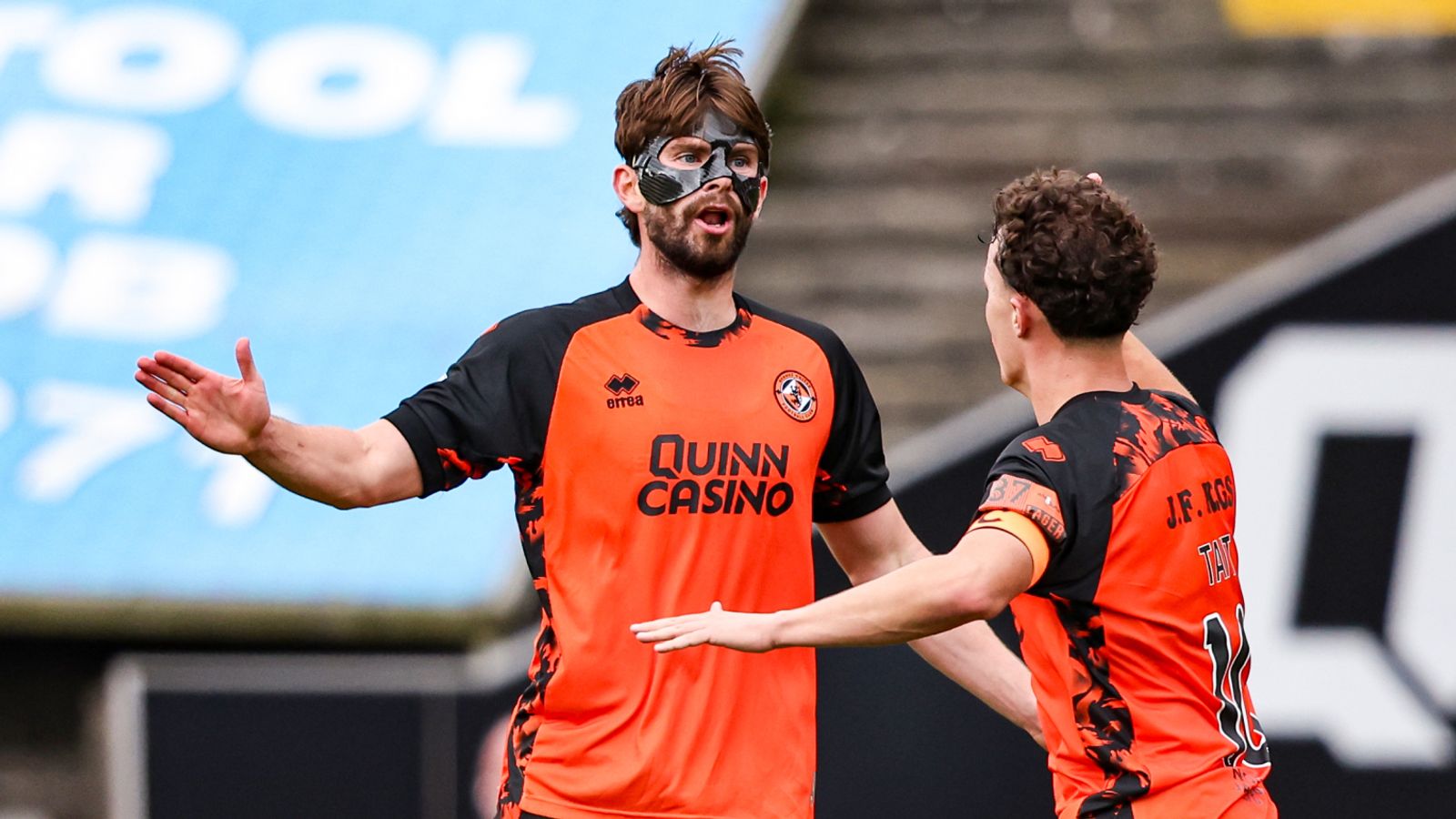
Philippe Clement has made his most aggressive internal move since arriving at Ibrox. Handing the captaincy to Lawrence Shankland is not merely a gesture of seniority; it is a redirection of the team's entire offensive identity. Last season, the side occasionally drifted into aimless possession, lacking a definitive anchor point when the high press failed. By placing Shankland in charge, Clement has ensured that the player expected to hold up the ball and lead the line is also the one directing the secondary wave of movement.
Data from the previous campaign highlights why this change was mandated. When the team operated at their peak efficiency, the forward line functioned as the first wall of resistance. Shankland consistently recorded high recovery rates in the final third, turning transition moments into shots before the opponent could set their defensive line. Empowering him with the armband suggests a shift toward a more aggressive, front-foot mentality for the upcoming season.
The structural risks of the new hierarchy
Every tactical adjustment carries a cost. Relying on a forward as the primary on-pitch leader can create a disconnect when the team is forced into a low block. If the press is bypassed, the captain is often too far removed from the defensive midfield pivot to organize the transition into a defensive shell. The potential for a breakdown in communication between the back four and the midfield is real, especially during those flat spells in the 60th to 75th minute range that plagued the side last year.
Clement must balance the intensity of his new captain with the pragmatic need for defensive stability. As reported by Sky Sports, the transition has been swift and the player is clearly ready for the responsibility. Yet, the burden of leadership can impact a striker’s finishing consistency if the tactical volume becomes too high. Watching how Shankland manages his own output while coordinating the press will be the defining narrative of these opening fixtures.
The blueprint for the opening month
The upcoming season requires a more clinical edge in tight matches. Too often, dominant possession stats failed to manifest into goals against mid-table opponents who packed the box with eight or nine men. Shankland brings a pedigree for finding space in congested areas, which is the specific skill set missing from the deeper tactical layers of this group. It is likely that Clement will push his wing-backs higher, funneling play through the center to allow the new captain to operate in the half-spaces.
Everything points toward a high-variance, high-reward approach designed to overwhelm domestic opponents through pure intensity. If the system clicks early, the 3-0 win scenarios will become the norm; if the defensive transitions are sluggish, the team will bleed points against sides who excel at direct counter-attacks. I expect the side to hit the ground running with an emphatic victory, though the lack of a defensive enforcer behind the primary creative unit will be a recurring headache throughout the winter months. Expect a strong start, followed by inevitable frustration as opponents learn to exploit the space left by this hyper-committed pressing scheme.
Read Next
- Lawrence Shankland stepping up is the final piece of Philippe Clement's puzzle
- Rangers are gambling big on Makhanya while the squad loses its heartbeat
- Rangers move to solidify leadership core with Shankland armband appointment
- Rangers make Lawrence Shankland captain in a high-stakes move for Ibrox
- 🏴 Scotland World Cup 2026 — Tartan Army Hub
- ⚽ Scottish Premiership 2025-26 — Celtic vs Rangers Hub