The Como Wake-Up Call and United's Lost Heritage
If you sat through Manchester United rolling over against Como and Bournemouth, you know the sinking feeling. Watching expensive signings drift through matches without urgency is infuriating. The senior squad looks broken, lethargic, and completely detached from the supporters.
United used to have an identity. The Busby Babes and the Class of 92 were not corporate nostalgia. They proved that hungry teenagers will run through brick walls for the shirt while overpaid veterans search for excuses.
When you watch foreign signings arrive on astronomical wages, you have to wonder whether they truly understand what representing Manchester United requires. Academy players provide something money cannot buy: authentic pride in the shirt and an ingrained connection to the club's history. That spirit will not solve tactical issues on its own, but without it, a team has no foundation.
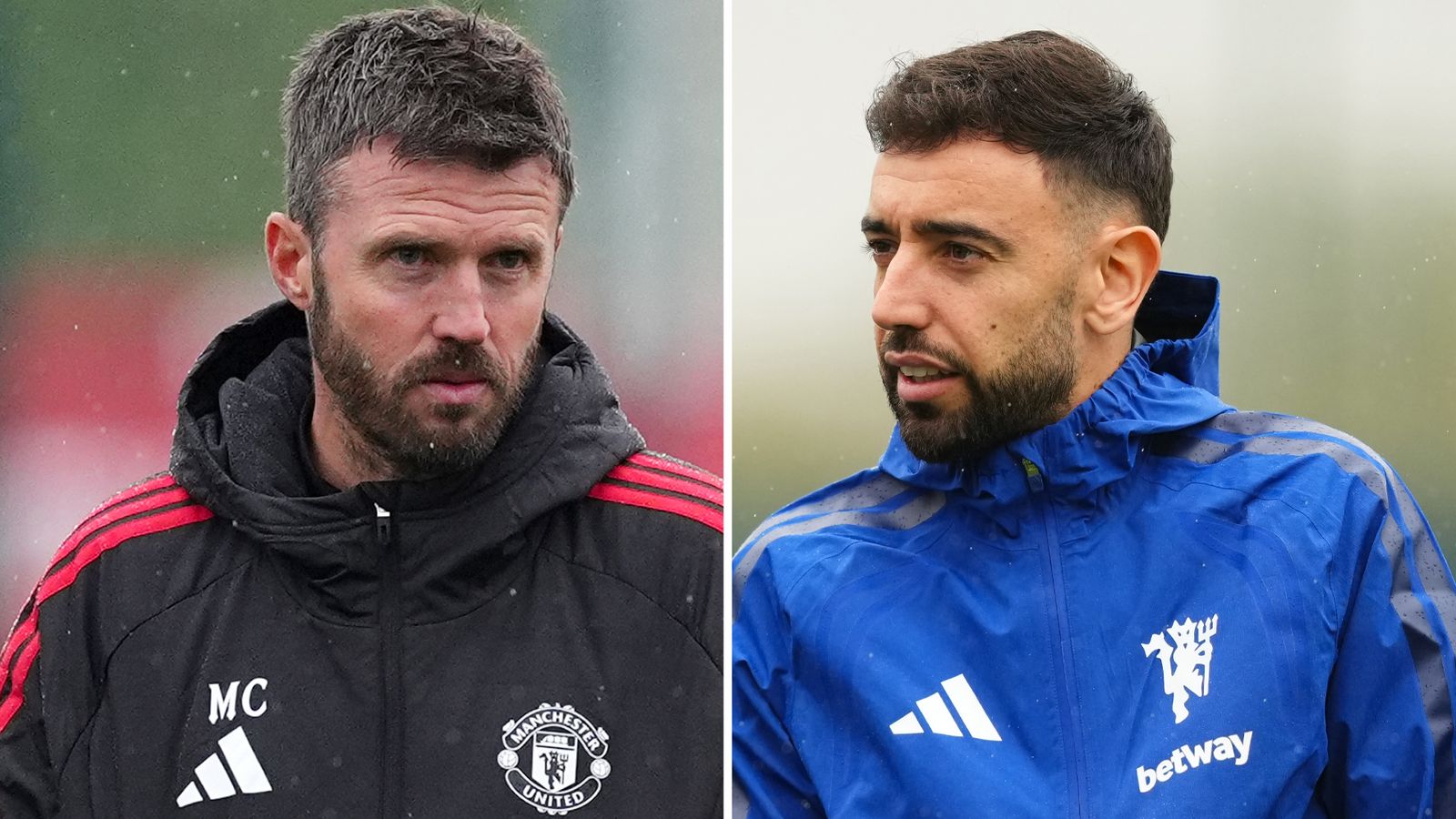
Right now, Michael Carrick looks paralyzed on the touchline. As David Pleat pointed out in The Guardian, the solution is sitting right under Carrick's nose at Carrington. It is time to unlock the academy door and give the kids their chance.
The Emirates Showcase and Carrington's Locked Door
Look back to February 2025 for proof of what Carrington produces. United traveled to north London for an FA Youth Cup tie against Arsenal and earned a thrilling 3-2 win. That fixture was an exhibition of genuine elite potential.
Max Dowman put on a clinic for Arsenal, showing why scouts regard him as a generational talent. Yet United won because Jack and Tyler Fletcher commanded the midfield, while Harry Amass excelled at left-back. United signed Amass from Watford, backed his talent, and watched him flourish.
Fast forward to late October 2026. How many players from that winning side have established themselves in United's first team? Not a single one.
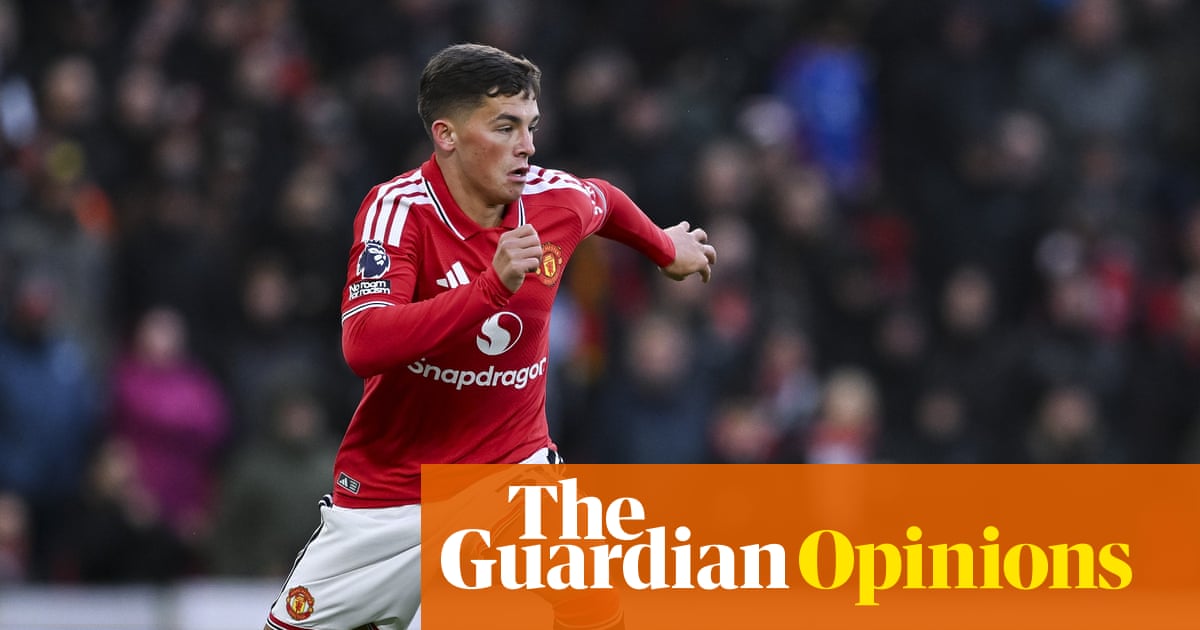
Amass has been restricted to two substitute appearances this season. Shea Lacey, a winger with the flair to unlock stubborn defenses, has four bench cameos and one Carabao Cup start. That is not development. That is putting elite talent in deep freeze.
Throwing a teenager on for ten minutes when chasing a deficit proves nothing. Pleat is right: a manager must give a young player a minimum of three starts in a row to see if they can handle Premier League football. Anything less is pure tokenism.
An isolated appearance in the early rounds of the Carabao Cup does not prepare a player for Premier League pressure. When managers rotate nine players against lower-tier opposition, nobody builds chemistry or rhythm. To discover if a prospect can handle top-flight speed, you have to throw them into meaningful league battles.
Marcus Rashford and Kobbie Mainoo remain the only academy graduates starting regularly. The enormous gap between youth dominance and first-team minutes is an indictment of the club's courage. Big-money arrivals continue to start on reputation alone, regardless of poor performances.
The JJ Gabriel Alarm and the European Escape Route
While Carrick hesitates, the clock is ticking on Carrington's next wave. JJ Gabriel is turning heads at 16 as one of the club's sharpest prospects. Yet Gabriel and his advisers already believe his career might be better served elsewhere.
Can anyone blame them? Modern teenagers know how quickly careers stall when a Premier League manager refuses to trust youth over out-of-form veterans.
Look at Noni Madueke leaving Tottenham at 16 to join PSV Eindhoven. Madueke played senior football in the Eredivisie, returned to England with Chelsea, and earned a move to Arsenal. That European pathway works.
Young English players will not sit in reserve football until they turn 21. If Gabriel packs his bags for senior minutes abroad, United supporters will be furious. Losing a top talent because your manager refuses to take a risk is administrative failure.
This goes beyond one unsettled teenager at Carrington. Premier League youth systems were originally built to supply the first team with homegrown stars, not to serve as speculative trading desks. If English clubs continue to treat elite academy prospects like tradable commodities, the best young talents will simply take control of their own careers.
Harry Kane’s Ballon d'Or and Tottenham’s Trading Post
The Premier League's reluctance to trust youth looks even worse after this week's news. Harry Kane won the Ballon d'Or. The forward once sent on loan to Leyton Orient is officially the best footballer on the planet.
When Pleat watched Kane at Brisbane Road, he doubted whether the teenager had the pace for the top flight. But after an injury during his Norwich loan, Kane rebuilt his physique with gym weights. He returned fitter, sharper, and significantly quicker.
Even then, Kane needed a fierce advocate. Tim Sherwood, Tottenham's technical coordinator, had to bang on the first-team door to get Kane his breakthrough. Kane seized the opportunity and never looked back.
Kane's story illustrates that talent alone is rarely enough. A young player needs a sympathetic manager and a relentless advocate in the hierarchy who will demand they get playing time. Without Sherwood fighting Kane's corner at White Hart Lane, one of the greatest goalscorers of this era might have been cast aside as another loan-system casualty.
You would think Spurs would learn from Kane's trajectory. Over thirty years, Tottenham produced Sol Campbell, Ledley King, Kane, and Andros Townsend. Yet this season, Mikey Moore was their only homegrown player with a Premier League appearance, and Spurs shipped him on loan to Cologne in August.
Instead of nurturing young talent, Tottenham treated their academy like a clearance sale this summer:
- Alfie Devine was sold to Preston after years without a senior run.
- Will Lankshear was offloaded to Middlesbrough despite scoring at every youth level.
- Ashley Phillips joined Middlesbrough without receiving a real Premier League audition.
Academies are increasingly run like trading posts to balance spreadsheets. Selling homegrown players to fund mediocre foreign signings damages team identity and alienates supporters. It is a cynical practice that weakens the senior squad.
Liverpool's Broken Tradition and Scrapping Under-21 Football
Tottenham are not alone in abandoning their roots. Liverpool named a 25-man Premier League squad in August without a single player born in the city. That ended an unbroken streak dating back to 1892 where a local scouser was always represented.
To Liverpool's credit, Rio Ngumoha and Trey Nyoni have both started matches outside the Carabao Cup this season. Still, the national talent pool is suffering because the wider youth system coddles players in an artificial environment.
This reality justifies the radical argument from Pleat: under-21 football should be scrapped. The current system warehouses 18-year-olds in reserve teams simply to field a squad around one potential prospect. That wastes valuable development years.
Pleat insists players should be released at 18 if they are not in the first team or on loan. Under-21 matches are tidy and technical, but they lack senior intensity. They fail to test whether a teenager can survive in a ruthless dressing room.
Academy fixtures are played in pristine conditions where technical mistakes carry zero real-world consequences. Senior football is an entirely different beast, defined by physical collisions and hostile environments. In an EFL dressing room, seasoned professionals are playing to put food on the table, and they will not tolerate an entitled teenager who shirks a tackle.
Pleat remembers his early days at Nottingham Forest, where a senior teammate delivered a blunt warning:
"Do that again, son, and I'll break your leg."
Senior football remains aggressive and unforgiving. Academy games cannot prepare teenagers for experienced pros fighting to protect their livelihoods. When 19-year-olds are released without senior experience, EFL managers will not take a chance on them. Managers battling relegation cannot gamble on delicate prospects who have never played against grown men.
Why Carrick Must Choose Bravery Over Stagnation
This brings the crisis straight back to Old Trafford. Michael Carrick was spotted watching United's under-21s this week, which proves he is keeping an eye on Carrington. But sitting in the directors' box changes nothing if those players never see the pitch on matchday.
Critics will argue that throwing teenagers into a struggling team risks shattering their confidence. Conventional wisdom says managers under pressure must rely on proven senior internationals. But Carrick's senior stars are already losing meekly to Bournemouth and Como without showing any resistance. Sticking with failing names is far riskier than trusting hungry academy graduates who will fight for the badge.
Instead of keeping the academy at arm's length, a manager must actively demand solutions from youth coaches. As Pleat emphasized, a top manager should walk into Carrington and ask the only question that matters:
"Who have you got who could become a first-team regular?"
The answers are already waiting. Jack and Tyler Fletcher possess the tactical maturity to anchor midfield. Harry Amass has the pace and delivery to solve United's left-back problems immediately. Shea Lacey offers the direct dribbling and fearless creativity that this attack desperately lacks.
Carrick needs to be brave and grant them a real opportunity. Handing Amass and Lacey three consecutive starts is not reckless; it is sensible football management. Continuing to pick expensive, uninspired veterans will only seal Carrick's dismissal while pushing talents like JJ Gabriel toward the exit. Carrick must trust youth now, before Carrington's brightest future walks out the door.
Read Next
- 10 moments that turned Man United's collapse into a runaway content empire
- Michael Carrick is running out of road at Manchester United
- Man United looking at Calvert-Lewin shows how desperate things have got
- Benjamin Sesko is out until January and Man United are in freefall
- 🏴 England World Cup 2026 — Three Lions Hub