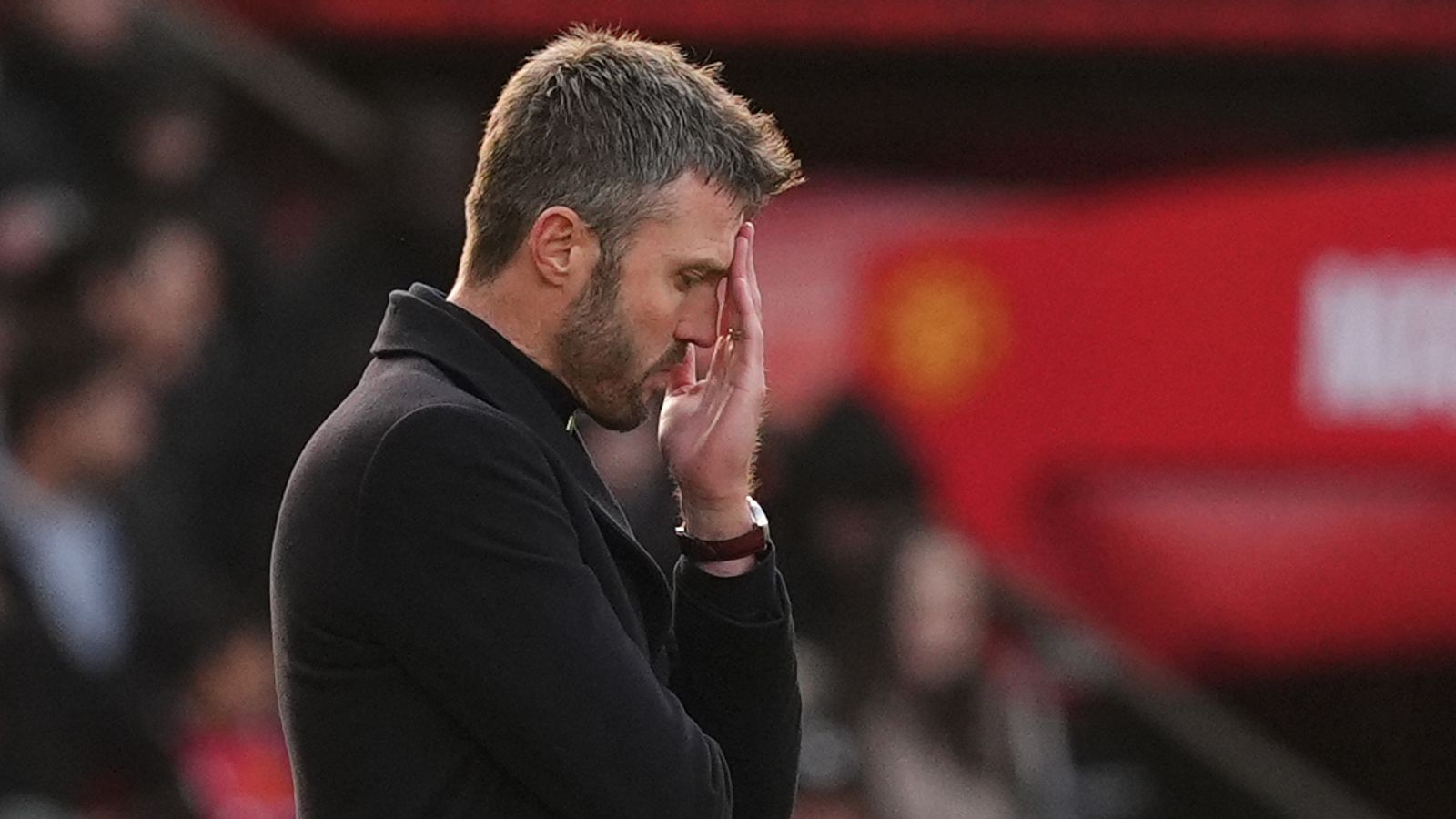
Manchester United travel to Stamford Bridge on Saturday with a head coach fighting for his professional survival. Michael Carrick looked hollowed out on the touchline on Sunday as Bournemouth dismantled his side with staggering ease. If you wanted an indictment of the current crisis, you only had to look at the dugout where club captain Bruno Fernandes sat shivering with a bib on for ninety minutes.
The Portuguese playmaker watched every goal roll past Andre Onana without even warming up along the touchline. His benching was not an injury precaution, nor was it routine squad rotation before a London derby. It was the direct consequence of an open rebellion following an embarrassing European humiliation in Italy.
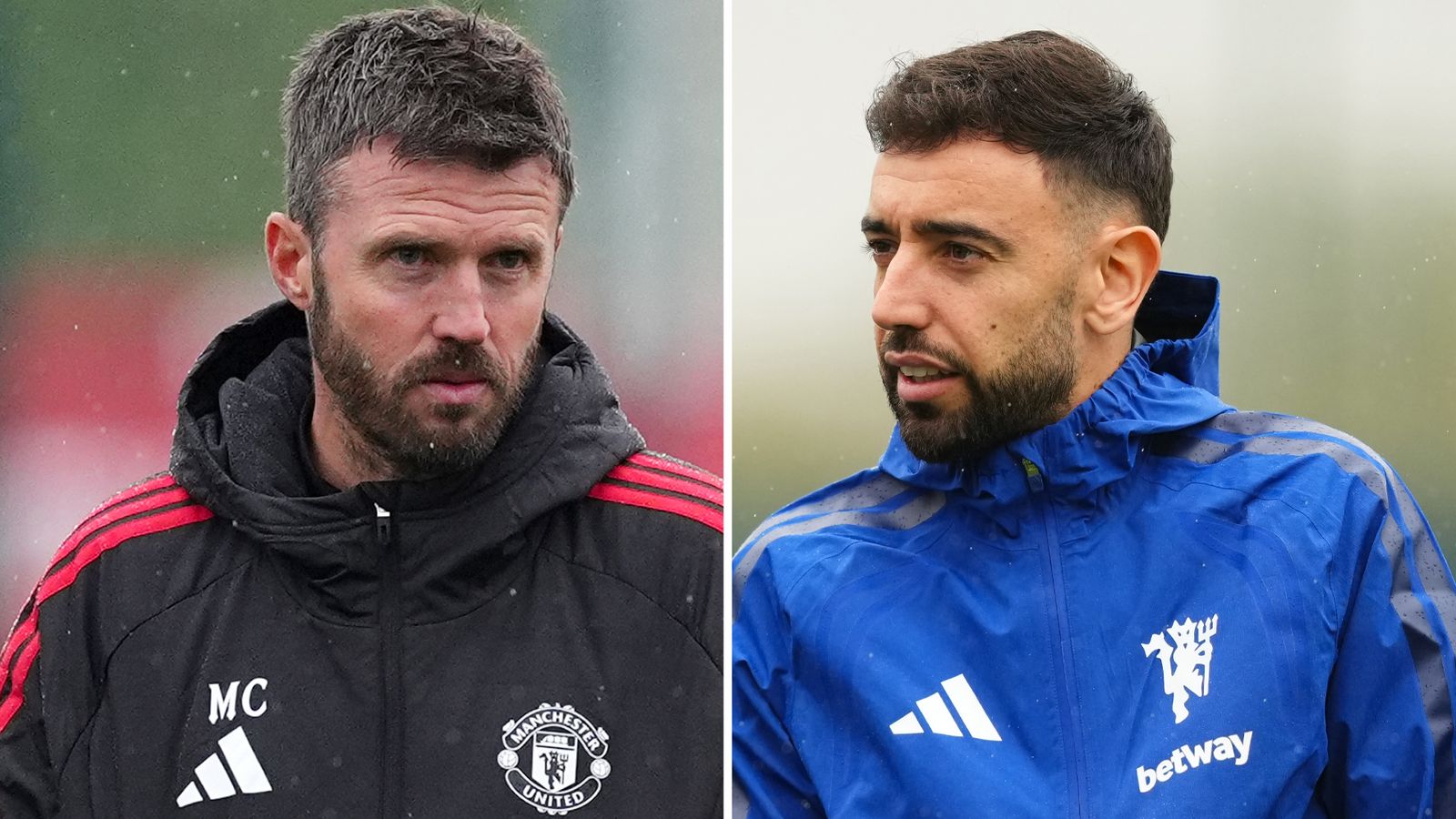
As Sky Sports reported on Wednesday morning, Carrick and Fernandes held emergency talks on Tuesday to halt the internal slide. But temporary peace talks at Carrington do not erase fundamental structural disconnects. Saturday afternoon in west London will expose whether this squad is actually playing for their manager or merely waiting for the trapdoor to open.
The Tactical Rift Behind the Banishment
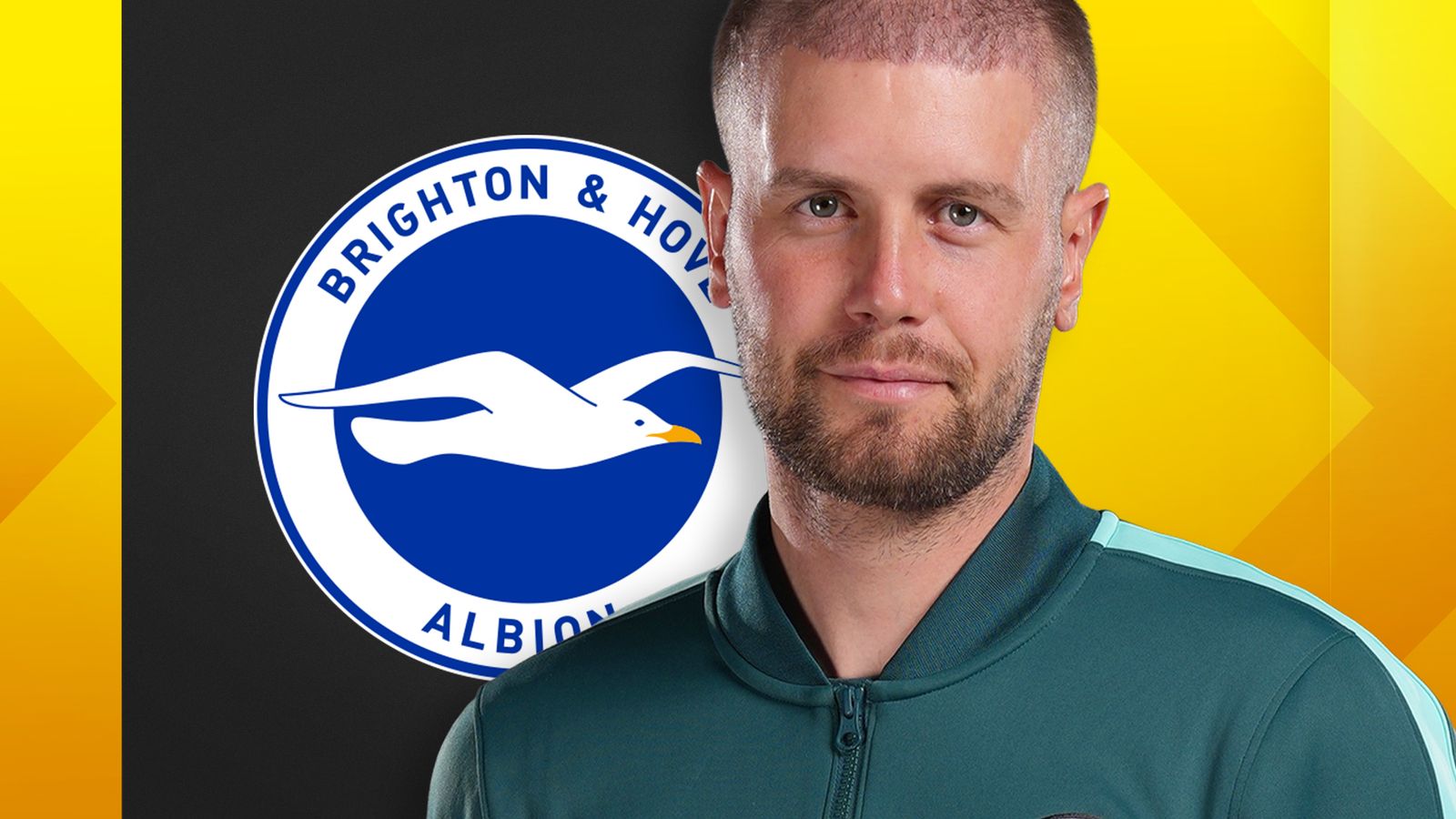
The flashpoint erupted on the shores of Lake Como. United were dismantled 4-1 by Cesc Fabregas's side, carved apart between the lines by coordinated third-man runs. Instead of taking collective responsibility, Fernandes marched into the media room and tore Carrick's tactical setup to shreds for public consumption.
Fernandes made his tactical objections unmistakably explicit when addressing the Italian collapse. He refused to hide behind generic platitudes and directly blamed the dugout for giving away initiative.
"It's a decision from the staff to not press man to man and sometimes leave a little space in behind and try to get the ball in the first moment, to wait for them, to give them the ball. But sometimes when you give too much the ball to these teams they get confident, they have so many bodies behind the ball that make you run a lot, make people get frustrated, and then obviously when you recover the ball the legs are, and the brain, much more difficult to make it work."
It was an astonishing public rebuke from a captain wearing the armband. Fernandes effectively accused Carrick of coaching cowardice, demanding that United risk getting their press high up the pitch to rattle opponents. Yet the Portuguese international's critique deliberately ignores his own glaring physical deficiencies when defending without the ball.
Gary Neville did not hold back when analyzing the midfielder's post-match outburst on Sky Sports. His television assessment cut directly to the technical reality of Fernandes's playing profile.
"Bruno can't press. To come out and whinge after the game about the manager's tactics, when you've just lost 4-1, and a few thousand fans have paid thousands of pounds to travel over in that far corner and get wet through. I'm sorry, read the room, Bruno."
Neville's assessment is tactically unassailable. Fernandes is a devastating transitional passer when afforded creative freedom, but he remains an erratic, ill-disciplined presser who constantly abandons central passing lanes on wild solo hunts. When Carrick instructs his team to settle into a compact mid-block, he is desperately trying to compensate for an attacking midfielder who cannot execute coordinated collective traps.
When an aggressive front-foot press is attempted without elite recovery speed in central midfield, the distances between the defensive line and the attack expand uncontrollably. Como exploited that yawning void between midfield and defence over and over again. Fernandes wanted daring aggression, but Carrick's squad simply lacks the athletic engine to sustain a high-line press across ninety minutes.
A Culture of Public Dissent and Accountability
Dropping Fernandes against Bournemouth was Carrick's attempt to draw a line in the sand and reassert control. The manager insisted the call was based on pure football during his pre-match broadcast duties. In truth, it looked like a desperate show of disciplinary muscle from a head coach whose authority is leaking away with every press conference.
The Bournemouth fixture demonstrated that Carrick's problems extend far beyond his captain's public irritation. The Cherries cruised to a 3-0 victory at Old Trafford while Carrick watched his team sleepwalk through second balls and lost duels. The home supporters actually backed their beleaguered manager from the stands, but the players looked completely detached from the game plan.
Fernandes was not even the first senior United player to fire shots at the hierarchy this month. Lisandro Martinez voiced his own frustrations after United crashed to defeat against Atletico Madrid in the Champions League group stage. Martinez publicly demanded more recruitment from technical director Jason Wilcox, complaining that the club had failed to provide the squad with enough talent to compete at the top.
Carrick responded to Martinez's public broadside with meek compromise rather than decisive leadership. The Argentine defender played 45 minutes in the following 1-1 draw at Leeds United before Carrick finally benched him alongside Fernandes for Bournemouth. When multiple dressing-room leaders feel comfortable undermining both the coaching staff and the sporting director in public, the structural foundation of the club is cracked.
Tuesday's training ground inquest featured an all-squad meeting where players and staff admitted to squad-wide underperformance. Yet collective apologies do not solve the positional errors that are ruining United's season. Carrick is running out of time to prove that his players will actually execute his instructions when the whistle blows.
Tactical Breakdown: The Stamford Bridge Minefield
Stamford Bridge is the absolute last place an insecure team with broken pressing structures wants to visit on a Saturday. Chelsea operate with positional fluidity, overloading wide channels and manipulating disorganized mid-blocks into desperate recoveries. If Carrick repeats the passive shape that collapsed in Como, Chelsea's technical midfielders will pass through them with pinpoint accuracy.
Carrick faces three tactical dilemmas that will dictate whether his side survives this trip. Each choice carries enormous structural risk for a squad already teetering on the edge of freefall.
- Restoring Fernandes provides creative passing but instantly degrades United's defensive shape off the ball.
- Dropping deep invites sustained pressure from Chelsea's inverted full-backs and creative wingers.
- Pushing the defensive line higher risks leaving slow central defenders isolated against rapid runners in behind.
If Carrick restores Fernandes to the team, he effectively concedes that his disciplinary stand lasted exactly one match. Yet without Fernandes supplying incisive passes on the break, United's attack is virtually inert. Against Bournemouth, United managed zero threat between the lines because their remaining midfielders lacked the vision to execute vertical passes under pressure.
The tactical dilemma is severe. If United drop into the low block that Fernandes hated in Como, Chelsea will camp in their defensive third and pick them apart. If they listen to their captain and push twenty yards higher, Chelsea's runners will rip through the vacated turf behind their midfield pivot.
Carrick's tactical conservatism feels less like a deliberate philosophy and more like an admission of fear. He knows his defenders cannot defend thirty yards from their own goal in transitional situations. Yet retreating into a passive bunker against Chelsea simply guarantees ninety minutes of defensive torture.
The Verdict: Carrick Running Out of Road
The clear-the-air talks at Carrington may have smoothed over personal grudges, but games of football are decided by pressing triggers and space management. You cannot fix structural decay with a handshake in an office. When United step out at Stamford Bridge, the exact same tactical weaknesses that Como and Bournemouth exposed will resurface.
Carrick will almost certainly blink and recall Fernandes to the starting lineup on Saturday. He has no choice, because a toothless defeat without his captain would seal his dismissal before the weekend concludes. But throwing an undisciplined number ten back into a fragile midfield will only accelerate the tactical collapse.
Chelsea will control possession, pull Carrick's narrow midfield across the pitch, and punish every failed interception. Fernandes will inevitably end the afternoon waving his arms in frustration while Carrick stares blankly at the turf from the technical area. Expect Chelsea to exploit United's broken defensive transitions and claim an emphatic 3-1 victory to push Carrick closer to the exit door.
Read Next
- Why Michael Carrick won't survive the week at Manchester United
- Manchester United's numbers under Michael Carrick have turned toxic
- Top 10: Top Moments
- Man United are in full meltdown mode and sacking Carrick fixes nothing
- 🇵🇹 Portugal World Cup 2026 — A Seleção Hub
- 🏆 Europa League Final 2026 — Full Coverage Hub