
Roberto Mancini's Italy return exposes a structural breakdown at the core of Serie A
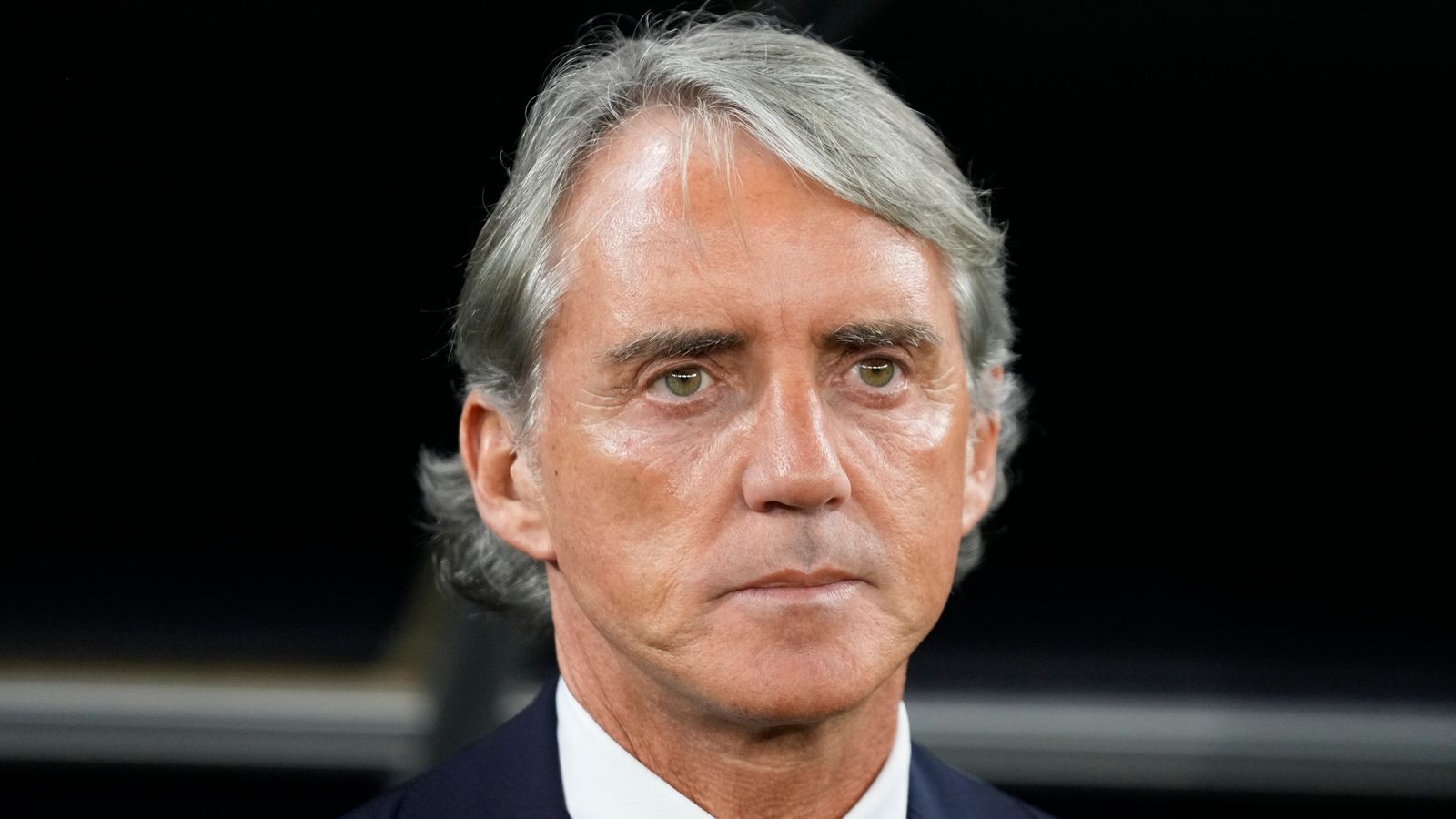
The 4-3-3 illusion masking Italy's central structural rift
Paolo Maldini and Leonardo did not walk away from the Italian national team project over a simple personality clash. The breakdown came during the search for a new manager, leaving a vacuum that Roberto Mancini must now navigate amidst systemic operational breakdown.
When an executive structure collapses during a managerial search, the pitch immediately reflects the rot. Mancini's return as Italy boss is less a glorious homecoming and more a hasty patch job on a hull taking on water. The tactical 4-3-3 shape that delivered Euro victory feels like a distant memory when the central pipeline of talent has dried up completely.
Tactical inertia and the missing press triggers
Watch the footage from Italy's recent international windows. The off-the-ball movement is sluggish, lacking the trigger-based pressing schemes that modern international sides rely on. Without clear operational direction from the top down, players are left executing fragmented individual actions rather than a cohesive tactical game plan.
Mancini faces a midfield that lacks both verticality and defensive coverage. The transition phase is where Italy looks most vulnerable, exposed by opponents who pass straight through a middle three that lacks dynamic lateral recovery speed. If Mancini relies purely on reputation without rebuilding the structural pressing traps, this second stint will end far faster than his first.
As outlined in analysis of Mancini's return as Italy boss, the former Manchester City manager steps directly into an executive void. Papering over structural cracks with individual brilliance is a short-term gamble that rarely pays off on the international stage.
The stark reality facing the national setup
Italian football remains obsessed with romantic managerial returns instead of addressing underlying structural flaws. The youth development pipeline is failing to produce high-volume chance creators, forcing the national team to rely on aging tactical blueprints. Mancini can tweak formations all he wants, but without systemic reform in player development, the 4-3-3 remains a hollow shell.
Expect early friction as Mancini attempts to impose high-tempo possession mechanics on a squad lacking central control. Unless the tactical spacing between the lines is drastically compressed, top-tier international opponents will continue to exploit the massive gaps left in transition.
Read Next
- Italy keeps circling back to Mancini and the fans are losing it
- Roberto Mancini inherits an Italian structural crisis after summer of chaos
- Top 10: Defining Moments of the 2025/26 Football Season
- Top 10: Most Iconic Moments in Modern Italian Football
- ⚽ Serie A 2025-26 — Title Race Hub (Inter, Napoli, Juve, Milan)
- 🇮🇹 Italy at the 2026 World Cup — Full Coverage Hub
Adidas FIFA World Cup 2026 Al Rihla League Training Soccer Ball
Kick it like a pro with the official design language of the upcoming 2026 World
Frequently Asked Questions
What caused the departure of Paolo Maldini from the Italian setup?
Why is Italy's 4-3-3 formation struggling currently?
How does Italy's current midfield perform in transitions?
What is the primary critique of Roberto Mancini’s return to Italy?
What must Italy improve to compete with top international teams?
More Coverage

Leeds tore Newcastle apart, and Daniel Farke's plan is finally clicking
1 day ago
Cyle Larin is turning Southampton's Spygate nightmare into a promotion charge
1 day, 5 hours ago
Inter's wild comeback and John Stones' glass hamstrings have Serie A burning
1 day, 14 hours ago
Daniel Maldini's off-field chaos threatens Cagliari's tactical breakthrough
2 days, 1 hour ago
Arsenal survived Sunderland, but PGMOL's new penalty rule is a disaster
2 days, 5 hours ago
Bruno Guimaraes Shows Arsenal Growth as Milan Suffer Self-Inflicted Chaos
2 days, 14 hours agoMore Analysis
Leeds tore Newcastle apart, and Daniel Farke's plan is finally clicking
1 day ago
Cyle Larin is turning Southampton's Spygate nightmare into a promotion charge
1 day, 5 hours ago
Inter's wild comeback and John Stones' glass hamstrings have Serie A burning
1 day, 14 hours ago
Daniel Maldini's off-field chaos threatens Cagliari's tactical breakthrough
2 days, 1 hour ago
Arsenal survived Sunderland, but PGMOL's new penalty rule is a disaster
2 days, 5 hours ago