
The Big Picture: Elite Coaching Evolution
Modern management has shifted from simple motivation to heavy systemic engineering. These 10 tacticians separate themselves through relentless tactical adjustment and the ability to maximize high-value rosters.
The Elite Tier
- Pep Guardiola (Manchester City)
Guardiola remains the benchmark for positional play. His ability to integrate inverted fullbacks like Rico Lewis into his midfield setup provides constant numerical overloads against low blocks. While his critics point to his massive budget, his record of winning the Premier League title with 90 points or more remains unmatched. He sits first because no other coach defines a generation of football as thoroughly as the Catalan. - Carlo Ancelotti (Real Madrid)
Ancelotti functions as the ultimate elite-level man manager. He excels at empowering superstars like Jude Bellingham to dictate the final third without stifling their creative impulses. Unlike tactical obsessives, he prioritizes the psychological state of his locker room to grind out results in the Champions League. His ability to win through pure game management puts him just behind Guardiola. - Xabi Alonso (Bayer Leverkusen)
Alonso revolutionized Leverkusen by implementing a ruthless high-pressing system that emphasizes verticality. His transition play is surgical, frequently catching Bundesliga opponents off guard with rapid switches of play. He ranks third for proving that a young coach can dominate a league without relying on a historical behemoth's bankroll. His tactical discipline is his greatest asset. - Roberto Mancini (Italy)
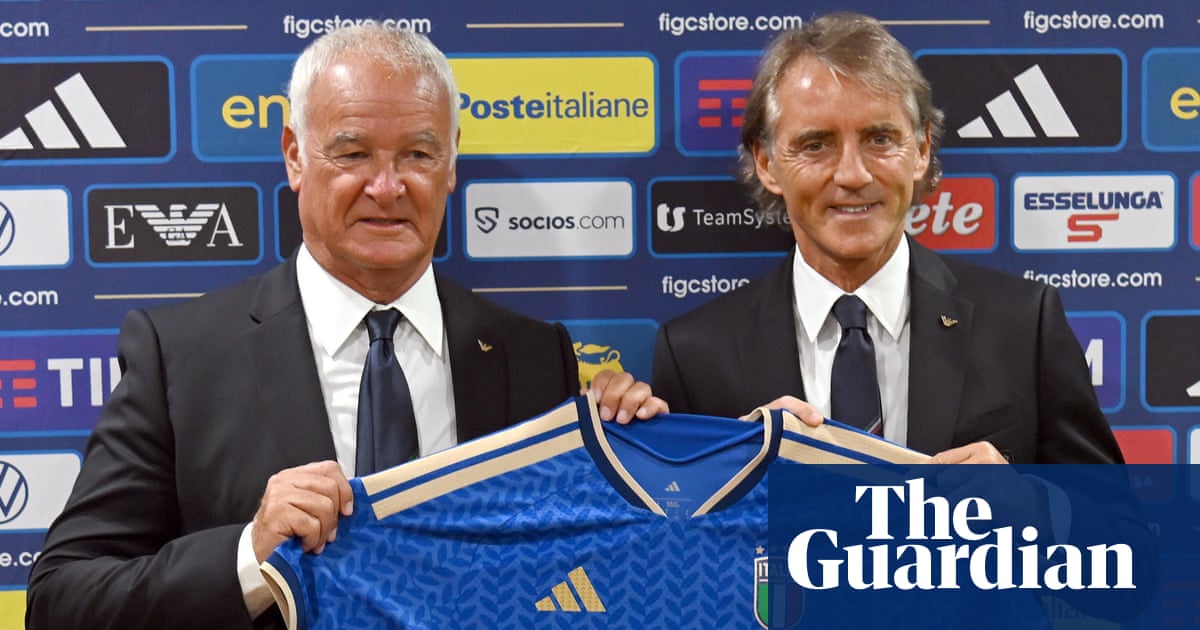
Mancini takes the fourth spot due to his recent, controversial return to the Italian national team. As reported by The Guardian, the veteran coach has already issued an apology for his 2023 departure for Saudi Arabia. While his reputation took a major hit, his track record of winning Euro 2020 demonstrates a high ceiling of efficiency. He has a massive task to rebuild faith with the Azzurri faithful before the next World Cup cycle. - Jurgen Klopp (Inactive)
Klopp defined the heavy-metal football era through elite verticality and the gegenpress. Even in his absence from the dugout, his influence on the current generation of Premier League managers is absolute. He ranks fifth because his impact on the tempo of global football remains the standard by which all high-press teams are measured. His departure from Liverpool left a void in intensity that few have been able to fill. - Mikel Arteta (Arsenal)
Arteta has turned Arsenal into a defensive wall. His focus on set-piece mastery and tactical fouls has made them the most irritating team in Europe to play against. If he can secure a Premier League title, he will rocket up these rankings. For now, he remains the most promising defensive architect in the top tier. - Unai Emery (Aston Villa)
Emery is the king of the mid-tier disruptor. His ability to organize Villa’s defensive line to trap opponents in offside positions is nothing short of brilliant. He consistently achieves top-four metrics despite battling teams with triple his wage bill. He is the ultimate dark horse in any competition. - Simone Inzaghi (Inter Milan)
Inzaghi perfected the 3-5-2 formation, forcing Serie A to prioritize wing-back play. Inter’s ability to transition from defense to attack in three passes is the best in Europe. He is often underrated, but his consistency in European competition keeps him firmly in the top 10. - Thomas Tuchel (England)
Tuchel is a chameleon who adapts to whatever roster he is handed. His mid-season tactical shifts are legendary, though his personality often burns out front offices long-term. He is ranked ninth purely because of his knockout tournament pedigree. He guarantees a structured, disciplined performance regardless of the opponent. - Arne Slot (Liverpool)
Slot inherited an enormous burden succeeding Klopp, but his control-based approach is already showing dividends. He prefers a slower, more deliberate buildup that saves legs for the final 15 minutes of games. He makes the list as the most impressive newcomer, though he must sustain this level over a full campaign to move higher.
Critical Observations and Mentions
The biggest failure on this list is a lack of representation from the Americas and Asia, reflecting a European-centric bias in modern tactical discourse. Additionally, the constant movement of these coaches often erodes the stability required for long-term development. Honorable mentions go to Antonio Conte for his intense drill-based training and Eddie Howe for his remarkable turnaround of the Newcastle project.
