The politics of the pitch
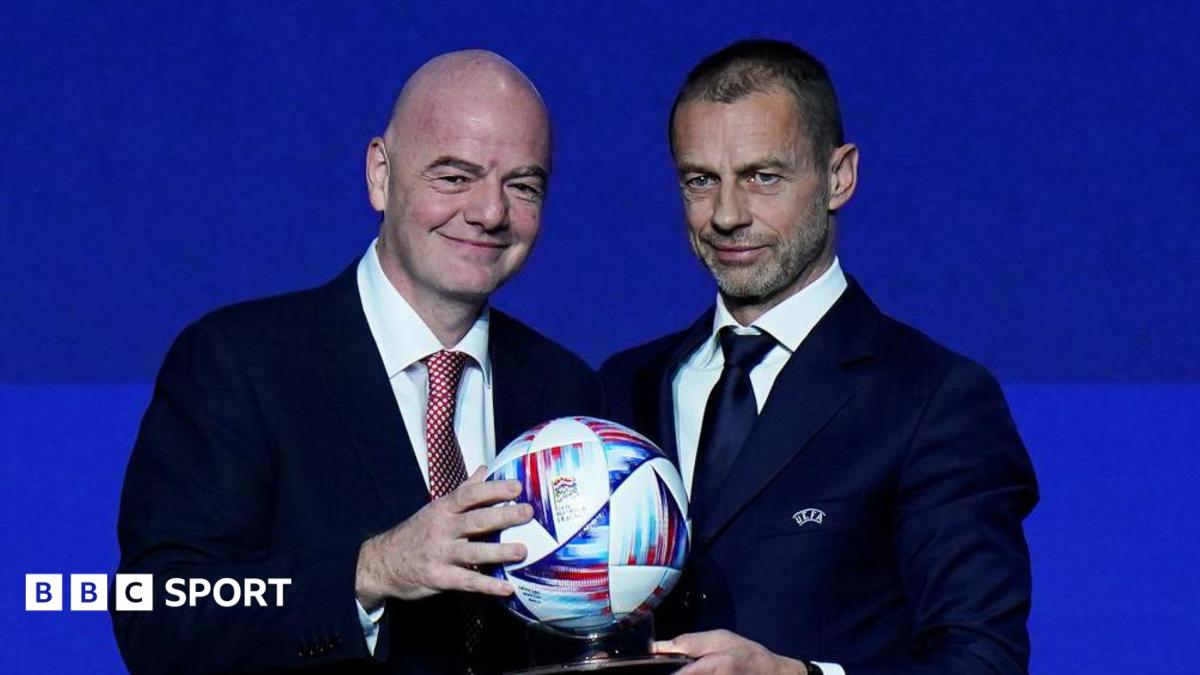
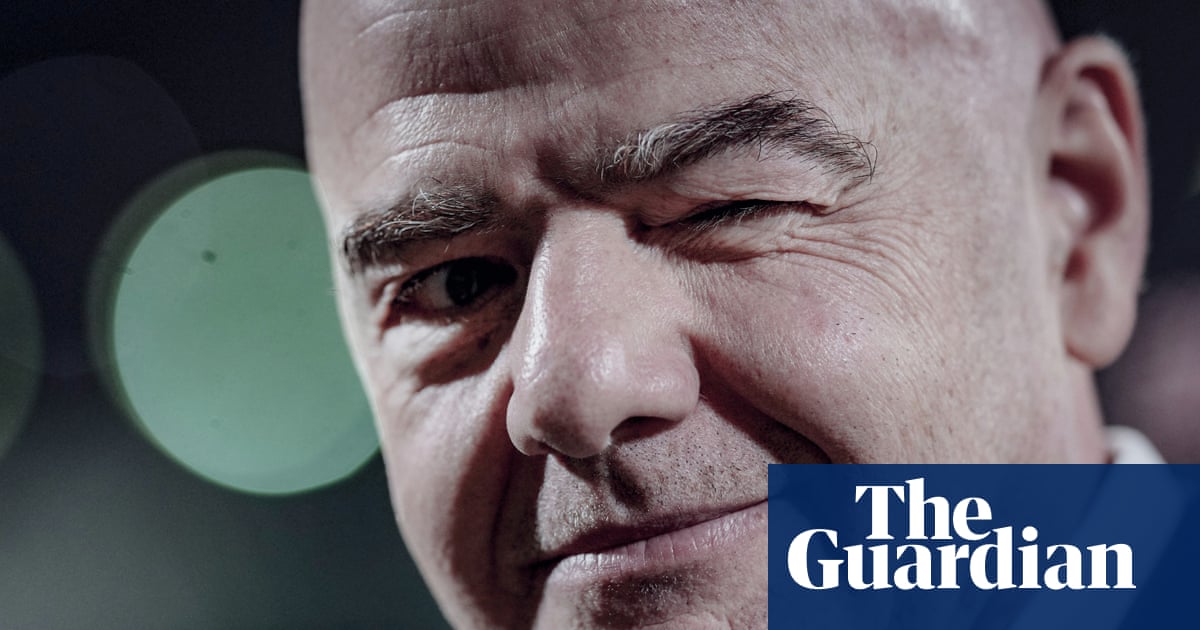
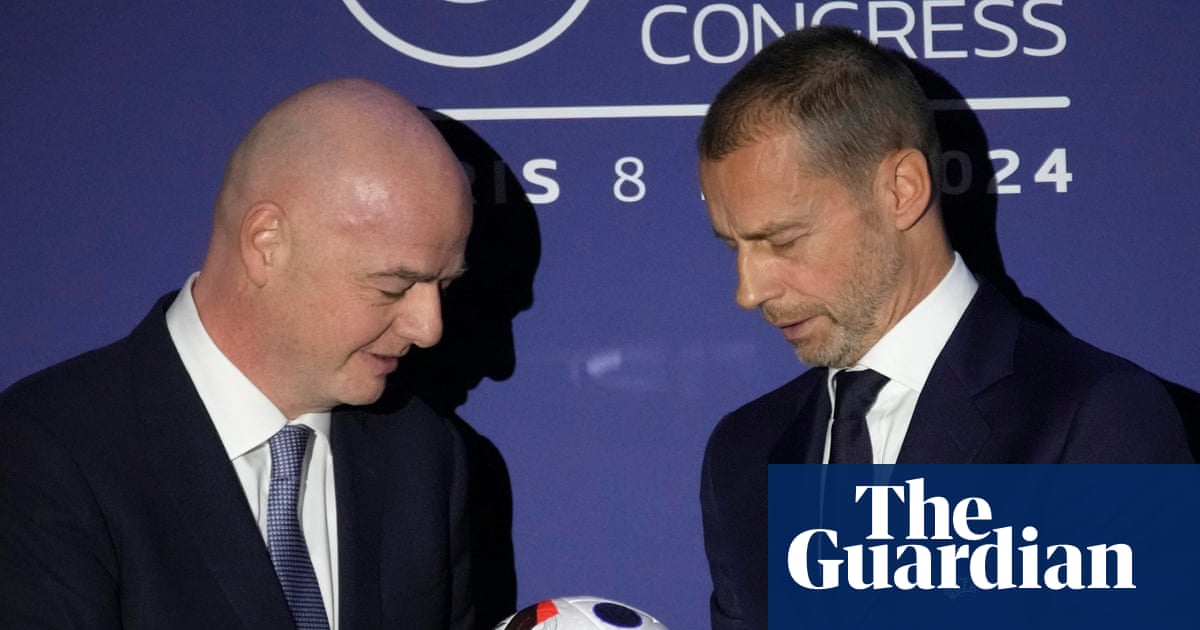
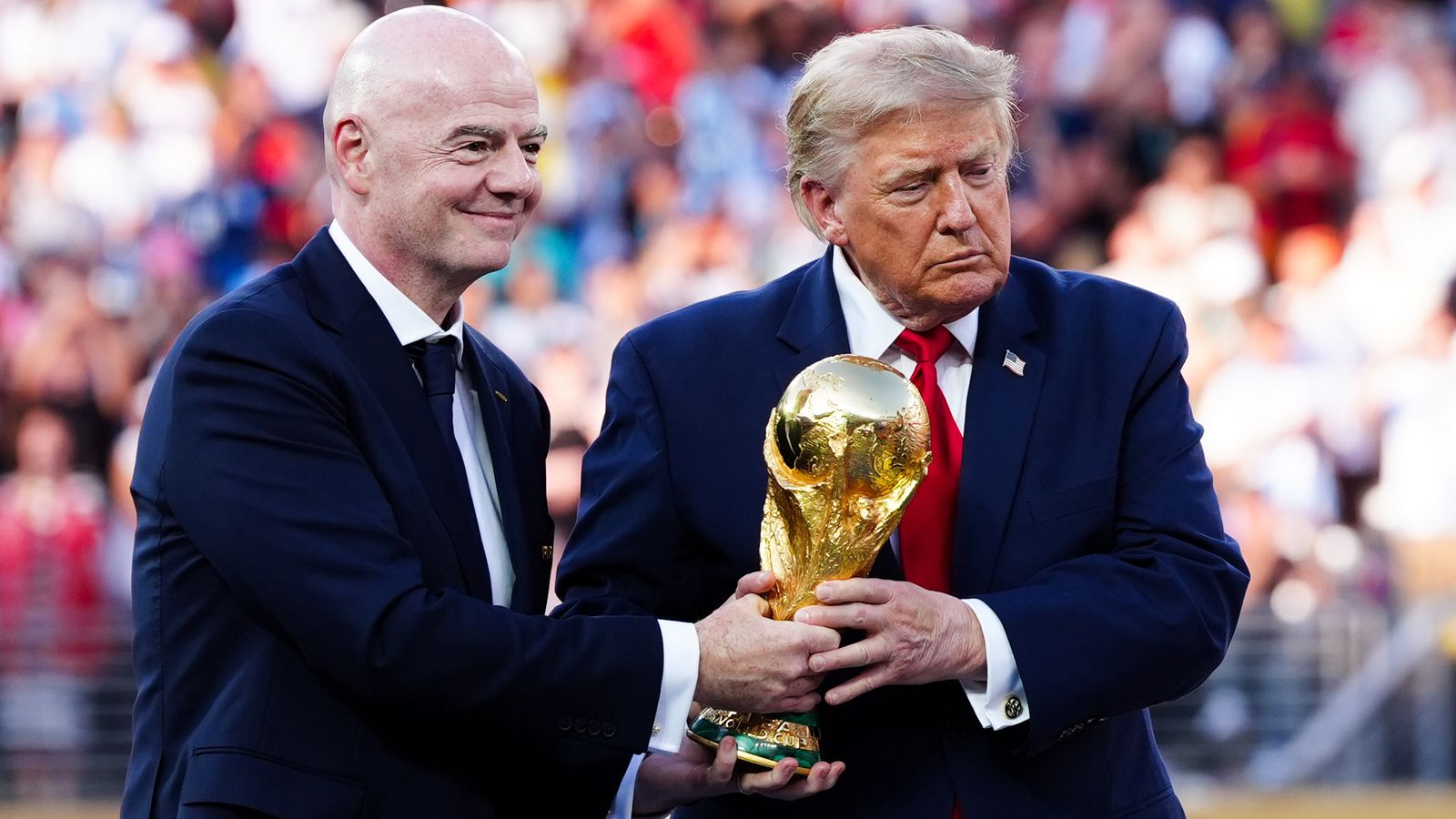
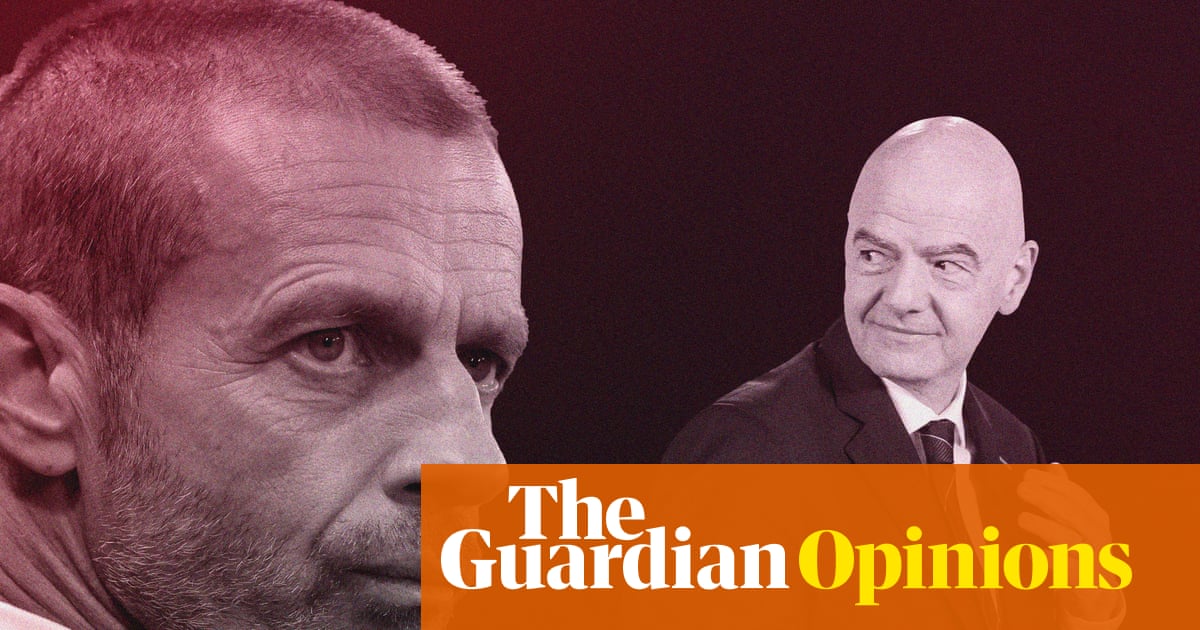
As the World Cup reaches its twilight, the administrative heavyweights in Nyon have shifted their focus to a more pressing, existential threat. FIFA president Gianni Infantino is reportedly looking to sell private equity stakes in the World Cup, a move that would fundamentally alter the tournament's governance. Uefa, led by leaders increasingly vocal about their resistance, must now decide if they possess the bureaucratic teeth to mount a genuine blockade.
For years, European football associations have contented themselves with performative hand-wringing. They have used press conferences and joint statements to condemn the rapid-fire changes pushed through by Zurich. However, as The Guardian reported earlier today, the Football Association is now leading a charge that requires more than rhetoric. The proposal to monetize interest in the World Cup is not merely a commercial hiccup; it is an encroachment that threatens the competition's sporting integrity.
Tactical friction within the boardroom
The core issue remains the fragmentation of the game. While fans obsess over pressing triggers and defensive lines, the game’s future is being carved up in boardrooms miles away from the touchline. Infantino’s strategy is designed to isolate dissenters, offering lucrative pathways to smaller federations who do not share the concerns of the English or German footballing establishments.
Uefa’s tactical deficiency here is a lack of leverage. They have operated under the assumption that their historical authority is sufficient to dictate terms. That era has ended. If they intend to stop the privatization of the world's largest sporting spectacle, they need to organize a collective boycott or a threat of withdrawal that carries weight. Anything less is posturing.
The frustration is visible in the way national associations scramble to respond to each new legislative decree from FIFA. They are playing reactive football while Infantino dominates the possession stats. Without a clear counter-press—specifically, a legal or financial ultimatum—the governing body in Nyon will continue to be outmaneuvered.
The cost of complacency
We are watching a slow-motion institutional collapse. Fans might ask why this matters while the matches remain competitive on the field, but the structure of these tournaments dictates the accessibility of the game for future generations. If a private entity begins to demand a return on their investment, the first thing to suffer will be the tournament's spirit, not its bottom line.
It is worth noting that Uefa's own hands are far from clean. Their expansion of the Champions League set a precedent for bloating the calendar, which Infantino has merely accelerated to his own ends. Their current moral high ground is built on a shaky defensive line. To take actual control, they would need to admit their own role in the commodification of the sport.
My prediction? Uefa will issue a sternly worded document, Infantino will ignore it, and the sale of stakes will proceed with minor revisions meant to save face for the dissenters. Without a zero-sum ultimatum, the status quo is essentially cemented. We are watching a game of 4-2-3-1 where the team in possession has already decided they are leaving the pitch with the ball.