
UEFA vs Infantino: A power struggle that threatens the game's future
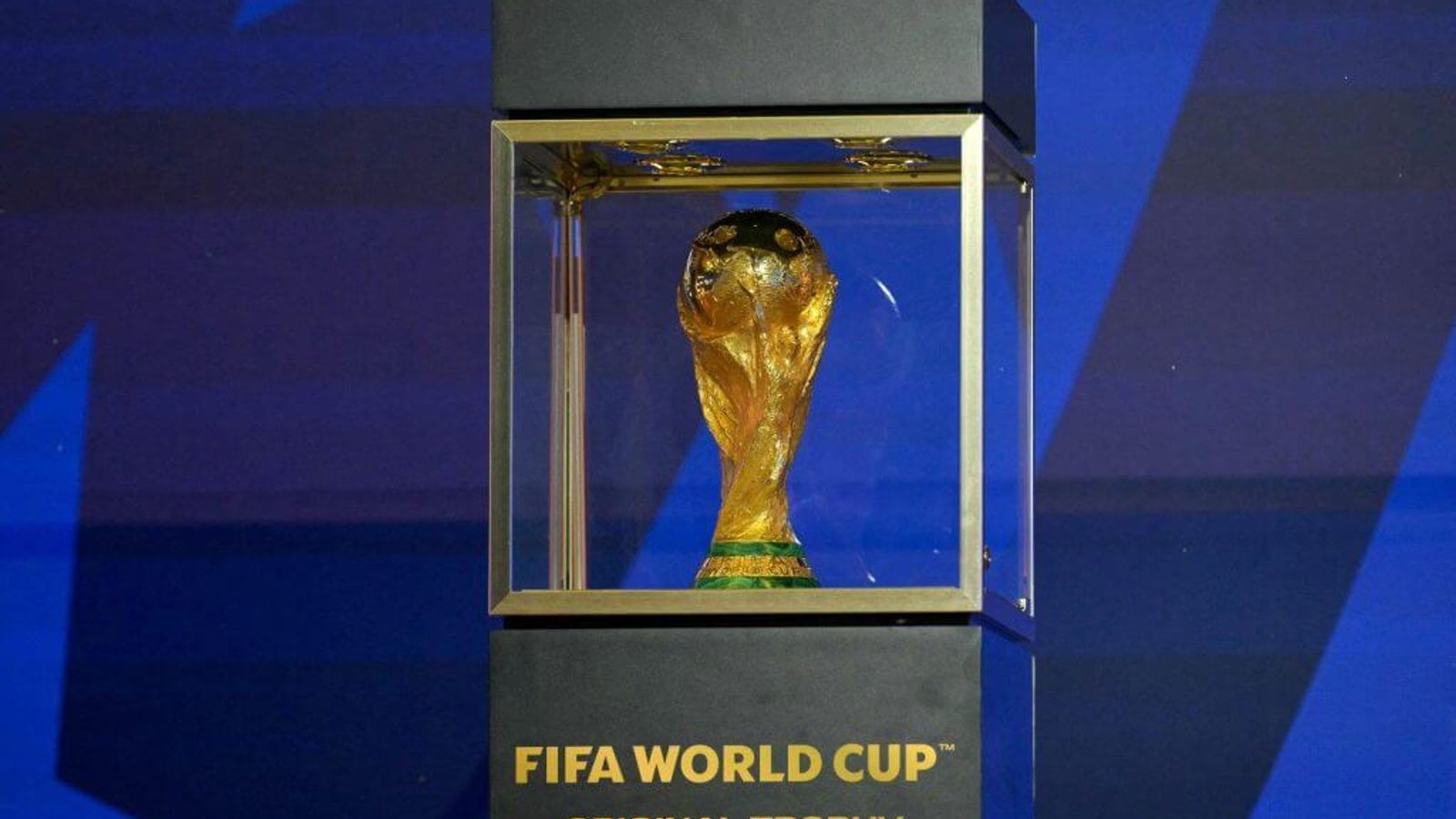
The cracks in the summit
The relationship between European football governance and the global hierarchy has reached a point of no return. UEFA’s explicit declaration of a loss of confidence in Gianni Infantino is not merely political posturing. It is a calculated move to draw a line in the sand regarding the governance of the sport, as reported by Sky Sports.
For years, the friction between Nyon and Zurich has been confined to hushed boardrooms. Now, the mask has slipped. When you analyze the institutional momentum, this shift stems from a series of mismanaged initiatives and a perceived disregard for the traditional values that underpin the European game.
The cost of executive overreach
Infantino’s tenure has been defined by a rapid expansion of tournaments and a relentless pursuit of revenue models that prioritize quantity over quality. This approach often ignores the physical toll on the players and the strain on existing domestic scheduling. From an analytical perspective, the decision to push for more high-frequency competitions creates a bloated fixture list that diminishes the narrative weight of major trophies.
The current dissatisfaction within UEFA suggests they are no longer willing to underwrite these ambitions. When a federation that controls the highest concentration of talent and wealth in the world signals a lack of trust, the feasibility of the proposed calendar changes becomes questionable. We are witnessing a divergence in priorities where the bottom line of the global governing body no longer aligns with the operational reality of its most successful clubs.
The metrics of dissent
The resistance isn't just theoretical. It is tied to the internal governance structures and the allocation of commercial rights. UEFA has consistently argued that their model provides a stable environment for investment. Infantino’s attempt to centralize power threatens to destabilize these long-standing financial agreements.
Looking at the data from the most recent board meetings, the opposition is not coming from a single outlier. It is a broad coalition of national associations who have seen their influence wane. The friction points are clear: the schedule density, the lack of transparency in broadcasting deals, and the disregard for the consultative processes that defined earlier eras of football administration.
A defensive error from Zurich
The biggest failing here is the lack of a bridge. A leader, even one with a controversial mandate, must eventually unify the base. Instead, Infantino has chosen a path of aggressive expansion that treats the largest contributors to his project as hostile entities. This is a tactical error of the highest order.
One must consider whether this rift is salvageable. If UEFA continues to withhold its support, the global body will struggle to enforce its more ambitious tournament designs. A project without the participation of the top tier of European talent is essentially a hollow shell. This stalemate is likely to persist until there is a fundamental change in how decisions are weighted, rather than how many votes are collected.
The game is at a crossroads where commercial ambition has collided with the institutional limits of the sport. The loss of confidence is not just a headline; it is the catalyst for a fundamental restructuring of how football is governed in the coming decade. If the current trajectory continues, we may see a further fracturing of the international calendar, resulting in a system where domestic clubs and continental federations operate with increasing autonomy from the global centre.
GIRZARD Soccer Shin Guards for Football Players
Stay protected in style without feeling weighed down on the field.
Frequently Asked Questions
Why has UEFA declared a loss of confidence in Gianni Infantino?
How does Infantino's tournament expansion impact players and domestic schedules?
What key issues are causing friction between UEFA and FIFA?
Who is opposing Gianni Infantino's leadership approach?
What could happen if UEFA withholds support from FIFA's global project?
More Coverage

The Champions League is broken, chaotic, and completely intoxicating
3 days, 11 hours ago
Why Man City fans are fighting the entire internet after their guilty verdict
2 weeks, 4 days ago
When even the Swiss abandon you, your FIFA presidency is officially cooked
2 weeks, 6 days ago
Aleksander Ceferin is right about Infantino, but UEFA has no plan B
3 weeks, 4 days ago
England lost to Spain but the Nations League is actually working
3 weeks, 5 days ago
Ireland voted to play Israel, but this Nations League game is pure chaos
4 weeks agoMore Analysis
The Champions League is broken, chaotic, and completely intoxicating
3 days, 11 hours ago
Why Man City fans are fighting the entire internet after their guilty verdict
2 weeks, 4 days ago
When even the Swiss abandon you, your FIFA presidency is officially cooked
2 weeks, 6 days ago
Aleksander Ceferin is right about Infantino, but UEFA has no plan B
3 weeks, 4 days ago
England lost to Spain but the Nations League is actually working
3 weeks, 5 days ago