The illusion of European unity
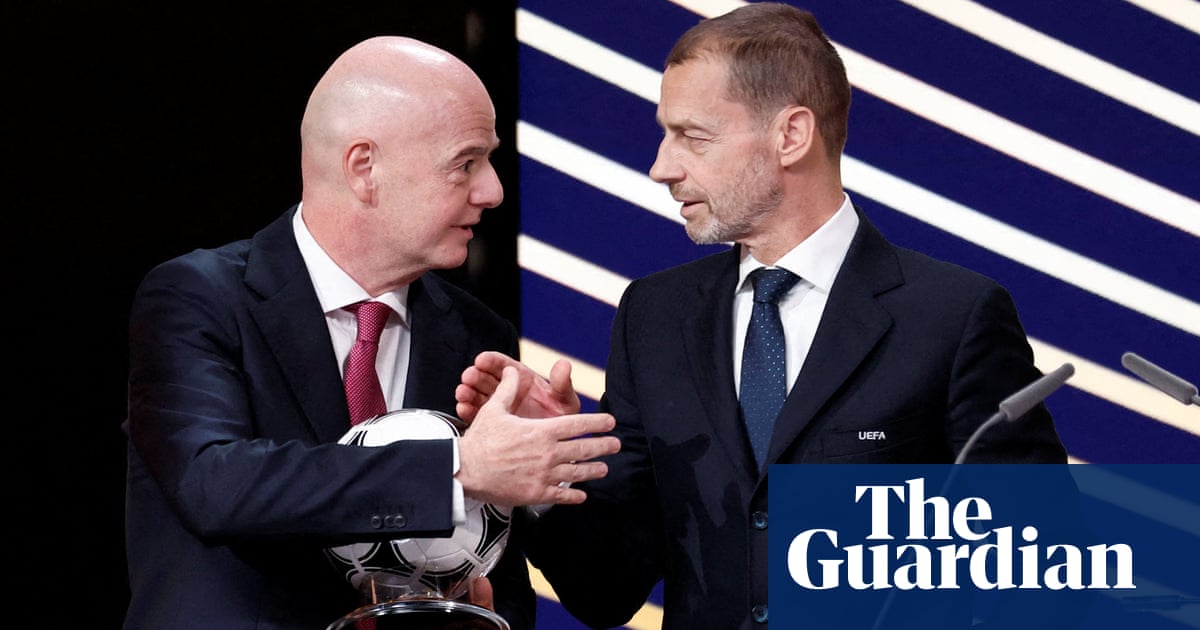
Calling European football executives "touchingly unanimous" sounds like sarcasm, but that was the word filtering out of UEFA's headquarters this week. Europe's member associations managed to lock arms against FIFA’s latest scheme to monetize international football. Gianni Infantino's attempt to sell off equity stakes in FIFA's prized assets hit an immediate brick wall in Nyon.
It is a rare political victory for Aleksander Čeferin, but anyone celebrating a permanent shift in power is misreading the board. This unified front is built on sand. When the immediate threat of Infantino’s land grab recedes, the structural fault lines within European football will split wide open.
Follow the money to the breaking point
Why did UEFA unite so quickly? Because FIFA tried to take a direct slice of the commercial pie that European heavyweights consider exclusively theirs. Broadcasters and private equity firms are not operating with infinite balance sheets. Every dollar funnelled into an expanded FIFA tournament network is a dollar drained from the Champions League and domestic rights deals.
The resistance was not driven by pure principle or concern for player welfare. It was driven by self-preservation. Real Madrid, Paris Saint-Germain, and the Premier League elite agreed with smaller associations simply because Infantino tried to touch their money. That shared financial incentive creates a temporary truce, not a lasting coalition.
Look at the numbers underneath the surface. The top dozen clubs in Europe generate over 60% of the continent's total matchday and broadcasting revenue. Their patience with subsidizing smaller national associations runs thin the moment their own profit margins come under pressure from strict financial regulations.
The prediction: The front breaks by 2028
Here is how this political civil war actually plays out over the next two years. Infantino will not surrender; he will pivot to divide-and-conquer tactics. FIFA will begin offering targeted financial guarantees to individual leagues and top-tier clubs to break UEFA’s bloc.
By the time negotiations for the 2028 to 2032 international match calendar reach boiling point, the elite European clubs will defect. They will trade their support for FIFA's expanded global competitions in exchange for direct revenue sharing and reduced domestic fixture commitments. As The Guardian reported, Europe cannot rest on its laurels after this week's rare show of harmony.
Once the Super League instinct inevitably re-emerges under a different corporate branding, smaller associations will be left stranded. Expect UEFA's total unity to completely collapse into factional infighting within 24 months.
Read Next
- Gianni Infantino's FIFA leadership faces unprecedented internal pressure
- Top 10: FIFA Stake Sell-Off Resistance and the Power Moves Reshaping Football
- Why a UEFA-led World Cup boycott is a logistical nightmare for FIFA
- The FIFA civil war: How a World Cup boycott is tearing the football world apart
- ⭐ UCL 2026 — Champions League Quarter-Finals Hub