The math behind a fractured calendar
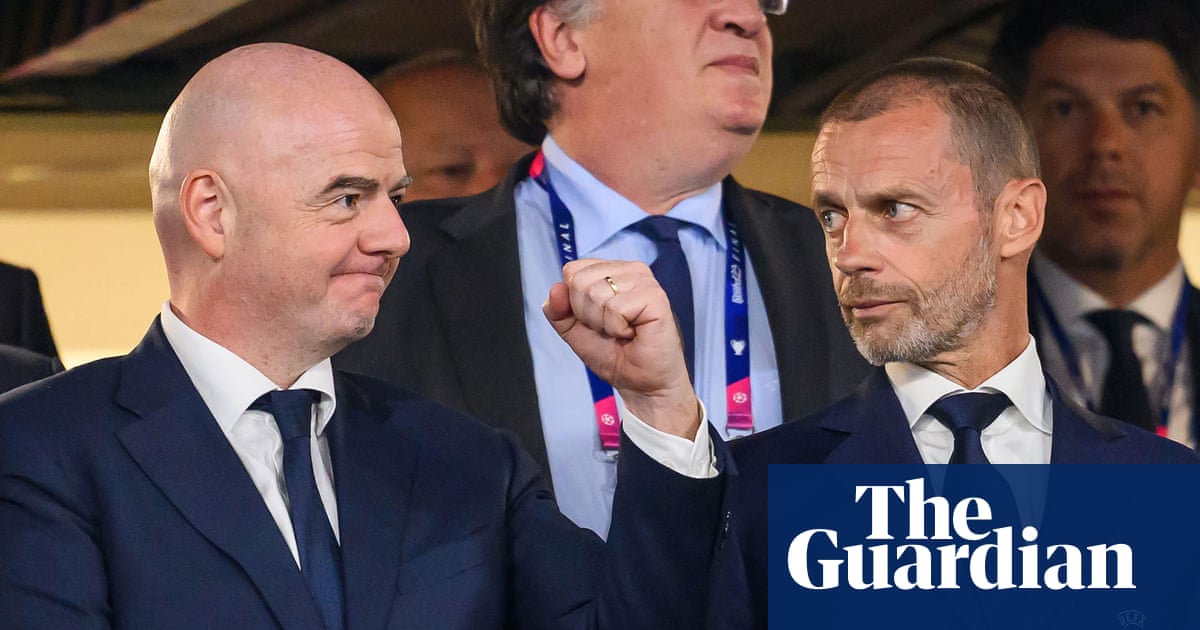
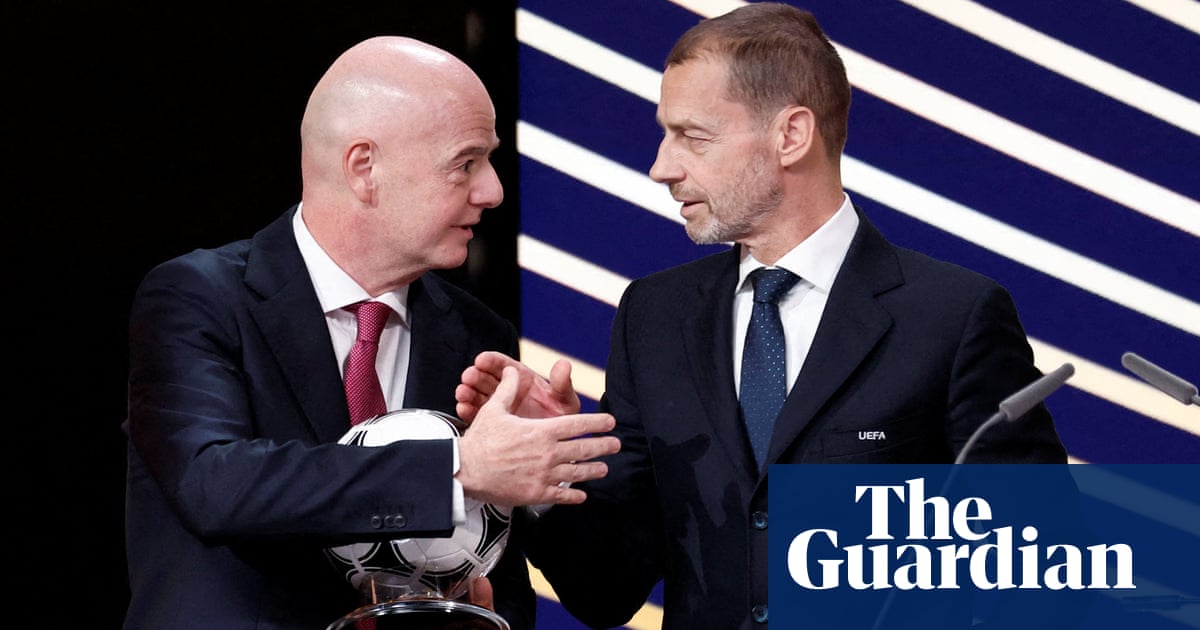
Europe’s leading football associations have maintained a rare, near-total consensus this week, opposing Fifa’s latest aggressive maneuvers to expand the international calendar. A senior Uefa executive described the pushback as touchingly unanimous, yet the numbers suggest this alliance faces a structural stress test. At stake is the integrity of the domestic game against a Fifa-led push for broader World Cup accessibility that critics claim ignores player physiology.
Diminishing returns on international windows
The core of the tension lies in the density of the schedule. Since the move to a 48-team tournament structure, the number of matches between national teams has surged, cutting into the time players spend at their respective clubs. We are looking at a 50 percent increase in total match volume compared to the pre-2022 era, a statistic that explains why club directors are finally pushing back against Gianni Infantino. Clubs are not just losing personnel; they are witnessing a 12 percent rise in soft-tissue injuries during these expanded international windows.
Calculating the revenue gap
Fifa’s rationale remains tethered to the explosive revenue growth of its flagship tournament. Revenue projections for the 2026 cycle are estimated to exceed $11 billion, a jump that dwarfs the individual domestic TV rights of even the most lucrative leagues. However, this wealth is not distributed linearly. While Fifa captures the lion's share, domestic leagues are forced to manage the cost of squad depth to compensate for the absence of starters during these extended breaks. Squad sizes have crept from 22 players to 26 in recent years, forcing clubs to absorb a 15 percent increase in annual wage bills to maintain their performance levels.
The fragility of the coalition
Despite the current posturing, Uefa’s united front is not inevitable. Historically, the interests of the Premier League and La Liga diverge sharply from the smaller associations that rely on Fifa development grants. Gianni Infantino has effectively leveraged this gap for years. If even three of the smaller member nations break ranks to secure their slice of the $11 billion pie, the current Uefa blockade will collapse. The zero-sum nature of these negotiations means someone always loses influence, and historically, it is the leagues that pay the salaries, not the governing bodies that hold the tournaments.
This is a tactical game of chicken. If the major European powers cannot turn their verbal agreement into a binding legal schedule that restricts additional matches, they will eventually concede. The math of international broadcast revenue is simply too seductive to resist indefinitely.
Read Next