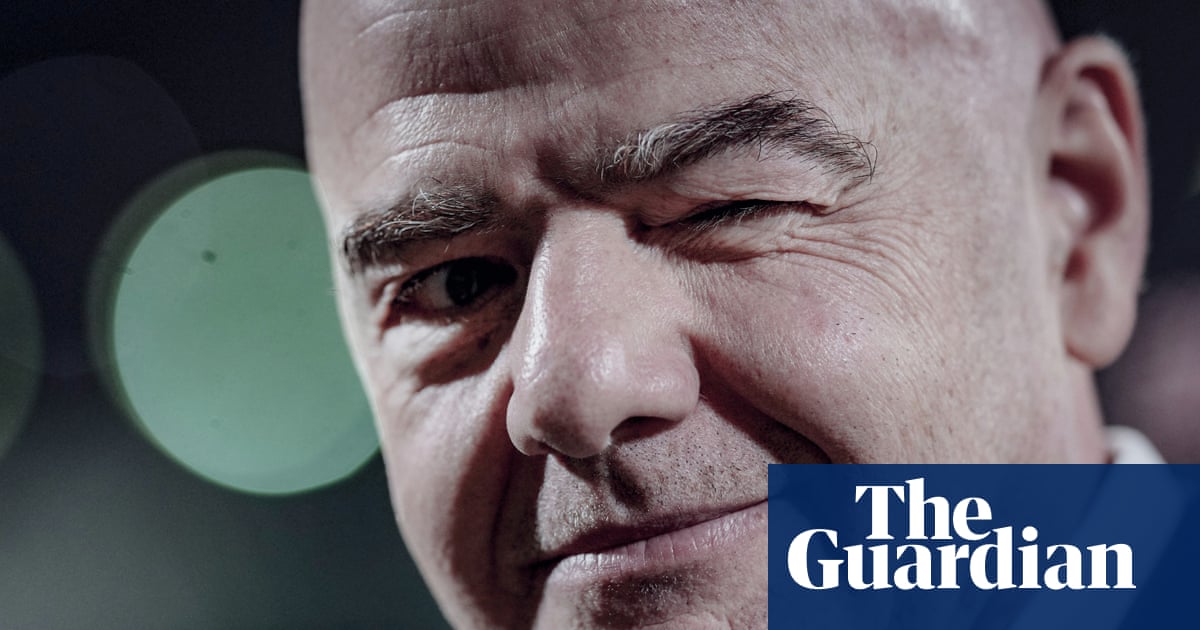
FIFA is burning its own house down for quick cash
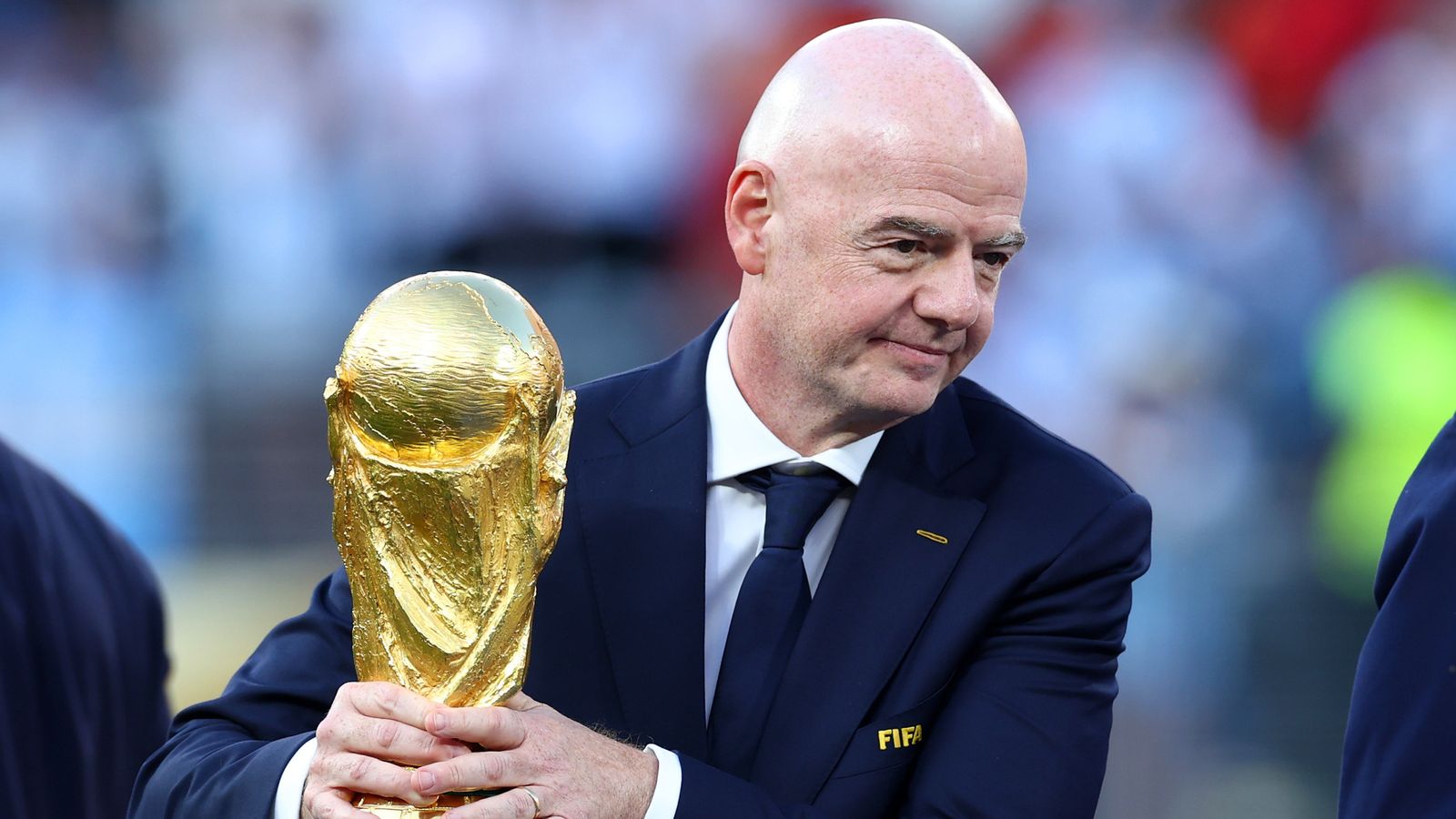
The fiscal vanity project destroying the beautiful game
Gianni Infantino has spent the better part of a decade trying to turn football into a private equity venture. His latest play, revealed in reports from Sky Sports, involves selling minority stakes in major competition revenue streams to outside investors. This is not governance. This is a fire sale of the governing body's integrity.
UEFA’s reaction to these plans highlights a deepening rift that threatens the stability of the global calendar. When you invite hedge funds to the table, they don't care about the integrity of a group stage or the history of a derby match. They care about IRR and exit multiples. If FIFA pushes this, the friction with UEFA won't be settled in a boardroom; it will be settled by a total withdrawal from the organization.
Why this model is functionally broken
The core issue here is the short-term extraction of value at the expense of long-term viability. Look at the balance sheet math. Selling stakes in tournament rights creates a cash infusion today that looks great on an annual report, but it creates a permanent anchor on future operational autonomy. Once a third party holds a financial stake in your product, their seat at the table is no longer advisory. It is contractual.
We already saw how Direct Corpus Interaction research showed why automated systems fail when they focus on the wrong signals; FIFA is making the same mistake by focusing on liquidity rather than the actual sport. The fans haven't asked for investment vehicles. They want competitive parity. When you dilute control, parity is the first casualty.
Infantino’s obsession with expansion has pushed player physical limits to the brink. The calendar is already bloated, leading to lower-quality individual performances as fatigue sets in. By adding private equity stakeholders into this mix, the demand for more fixtures will only accelerate. Investors won't be satisfied with a $1 billion return if they think a $1.5 billion return is possible with another dozen meaningless mid-week matches.
The threat of a breakaway is real
This isn't the first time an organization has tried to outpace its own reality. When money is the only KPI, the underlying product starts to rot. UEFA knows this, which is why their pushback is so vital. They are essentially guarding the perimeter against a host of commercial interests that prioritize the 90th minute revenue potential over the 90 minutes of the actual game.
If FIFA continues down this road, the most likely outcome is not a better world cup, but a fractured one. We might be looking at a future where the strongest European nations simply decide the FIFA tax is too high. If the clubs and the governing bodies align against the source of their revenue, FIFA loses its only leverage.
What happens when the sponsors get cold feet because the best teams have already left the building? They won't stay for the prestige. They go where the talent is. FIFA is playing a game of chicken, but they are drifting toward a wall while wearing a blindfold. History suggests organizations lose these fights when they prioritize the ledger over the fans.
The Mixer: The Story of Premier League Tactics, from Route One to False Nines by Michael Cox
The ultimate tactical deep-dive into the Premier League's evolution.
Frequently Asked Questions
What is Gianni Infantino planning for FIFA revenue streams?
Why does the author believe selling stakes to investors is risky?
How does UEFA feel about FIFA selling equity in tournaments?
What is the primary concern for the future of the football calendar?
What could happen if FIFA ignores the pushback from European football bodies?
More Coverage

Sunderland return to Europe after 53 years into UEFA's midweek experiment
1 day, 8 hours ago
Why the Premier League is ending automatic minute's silences
1 week, 1 day ago
Gianni Infantino faces governance breakdown as European FAs pull support
3 weeks, 2 days ago
Gianni Infantino's desperate survival campaign just turned into a circus
3 weeks, 4 days agoFIFA's 48-Team World Cup Monster Was Pure Greed and Total Chaos
3 weeks, 5 days ago
FIFA's Balogun U-Turn Proves Football's Rulebook Is Broken
4 weeks agoMore Analysis
Sunderland return to Europe after 53 years into UEFA's midweek experiment
1 day, 8 hours ago
Why the Premier League is ending automatic minute's silences
1 week, 1 day ago
Gianni Infantino faces governance breakdown as European FAs pull support
3 weeks, 2 days ago
Gianni Infantino's desperate survival campaign just turned into a circus
3 weeks, 4 days agoFIFA's 48-Team World Cup Monster Was Pure Greed and Total Chaos
3 weeks, 5 days ago