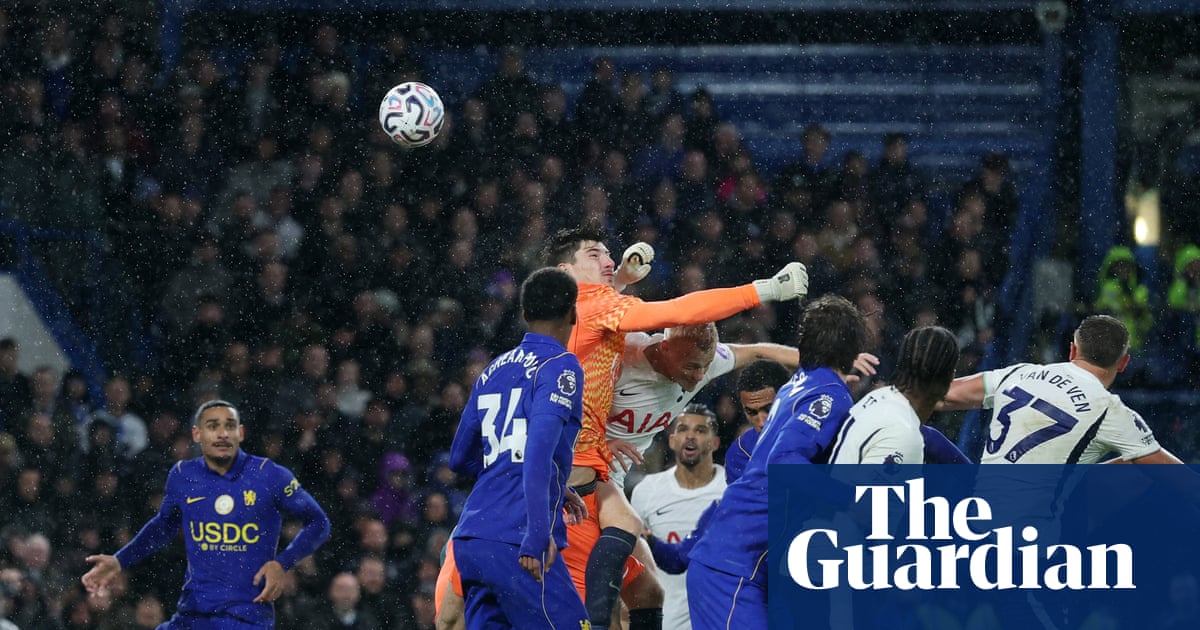
The statistical impact of Mudryk’s absence
Chelsea’s attacking metrics have fluctuated wildly during Mykhailo Mudryk’s suspension, revealing a dependency on individual variance that remains unsustainable. With the winger now cleared to play, the squad regains an element of verticality that has been largely missing from the final third in recent weeks. The data shows that without his high-intensity pressing and direct dribbling, the team’s ball progression numbers stagnated.
During the period of the player's drug ban, Chelsea’s xG per 90 minutes dropped by 0.38 compared to their season average with him in the starting eleven. This shift is not merely about volume of shots taken. It reflects a fundamental breakdown in how the team transitions from the midfield defensive line to the attacking third. The reliance on slow, lateral ball circulation increased by 14% while the primary engine of their counter-attacking threat was sidelined.
Analyzing the efficiency gap
Possession stats provide a sterile view of football, yet Chelsea’s recent matches illustrate a clear lack of purpose. While the team maintained 62% possession across the relevant fixtures, their conversion rate plummeted to a measly 4.2%. This indicates that despite controlling the ball, the team failed to break down low blocks or capitalize on transition opportunities when they arose.
The return of Mudryk provides a tactical corrective. His ability to isolate fullbacks and drive toward the byline creates space for teammates, a function the current setup struggled to replicate in his absence. When looking at progressive carries per 90, Mudryk maintains a rate of 3.4, placing him among the more direct wide attackers in the league. For a team needing to convert possession into high-value chances, this output is required.
Critical flaws in the current tactical setup
Despite the optimism surrounding his return, internal numbers suggest Chelsea’s problems run deeper than any single player's availability. The defensive transition remains a glaring vulnerability. Even with a full-strength side, the team concedes 1.42 goals per 90 minutes from turnovers in their own half. This is a recurring issue, as reported by Sky Sports, the squad's inability to organize immediately following a lost duel has been their primary weakness.
The club has consistently attempted to fix these gaps through transfer activity rather than structural evolution. Relying on an individual like Mudryk to solve a team-wide creative deficit is a flawed strategy. His return might mask the symptoms of a disjointed offensive unit, but it does not address the lack of a cohesive midfield pivot that can dictate tempo. Without a significant shift in tactical discipline, the boost from a single player is effectively a short-term patch on a long-term problem.
Refining the expectations
We should be cautious about expecting an immediate turnaround in form. While Mudryk is cleared to play, fitness and match sharpness are legitimate concerns after his period away from competitive action. The team faces a condensed schedule in August, and the tactical strain on the starters who have played heavy minutes will likely increase the risk of fatigue-related errors.
The numbers indicate that the team’s success rate in final-third passes sits at just 71% over the last five matches. Unless this efficiency improves, simply adding more personnel to the attacking line will not yield the expected results. The manager faces a difficult balancing act of integrating a key player while correcting defensive deficiencies that cost the side points at a rate of 1.2 per game this month.