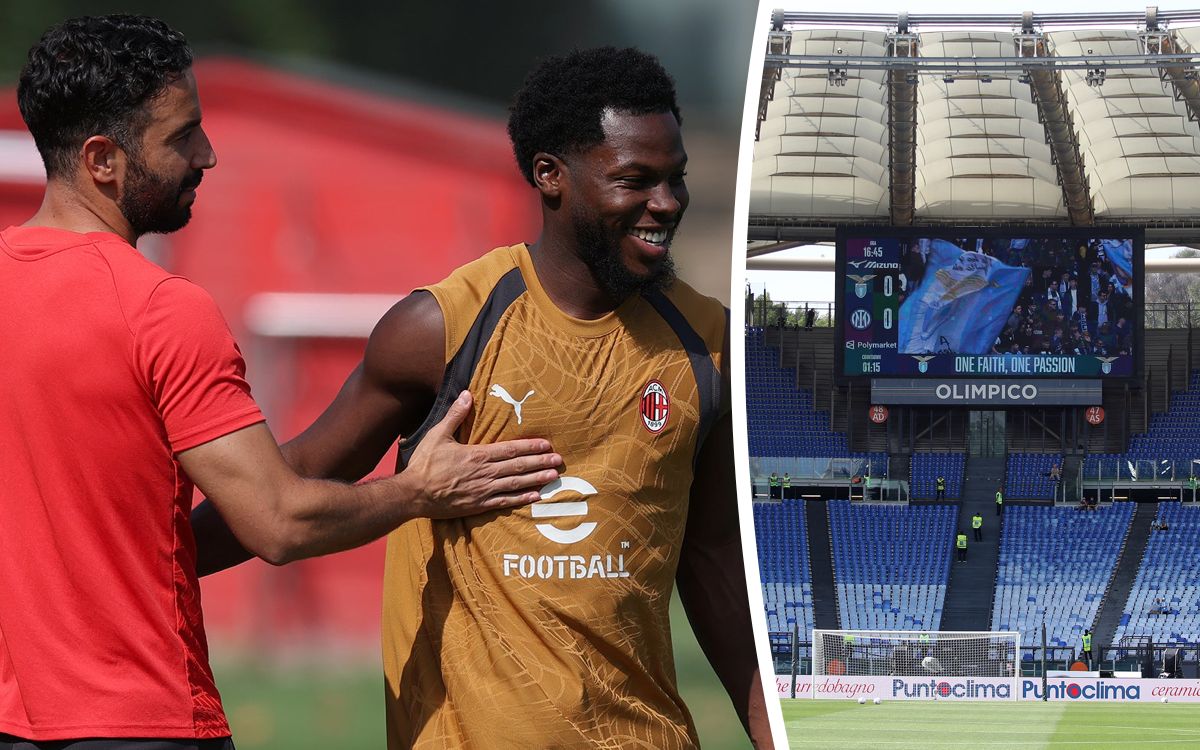
The 16-day collapse that brought Mancini back
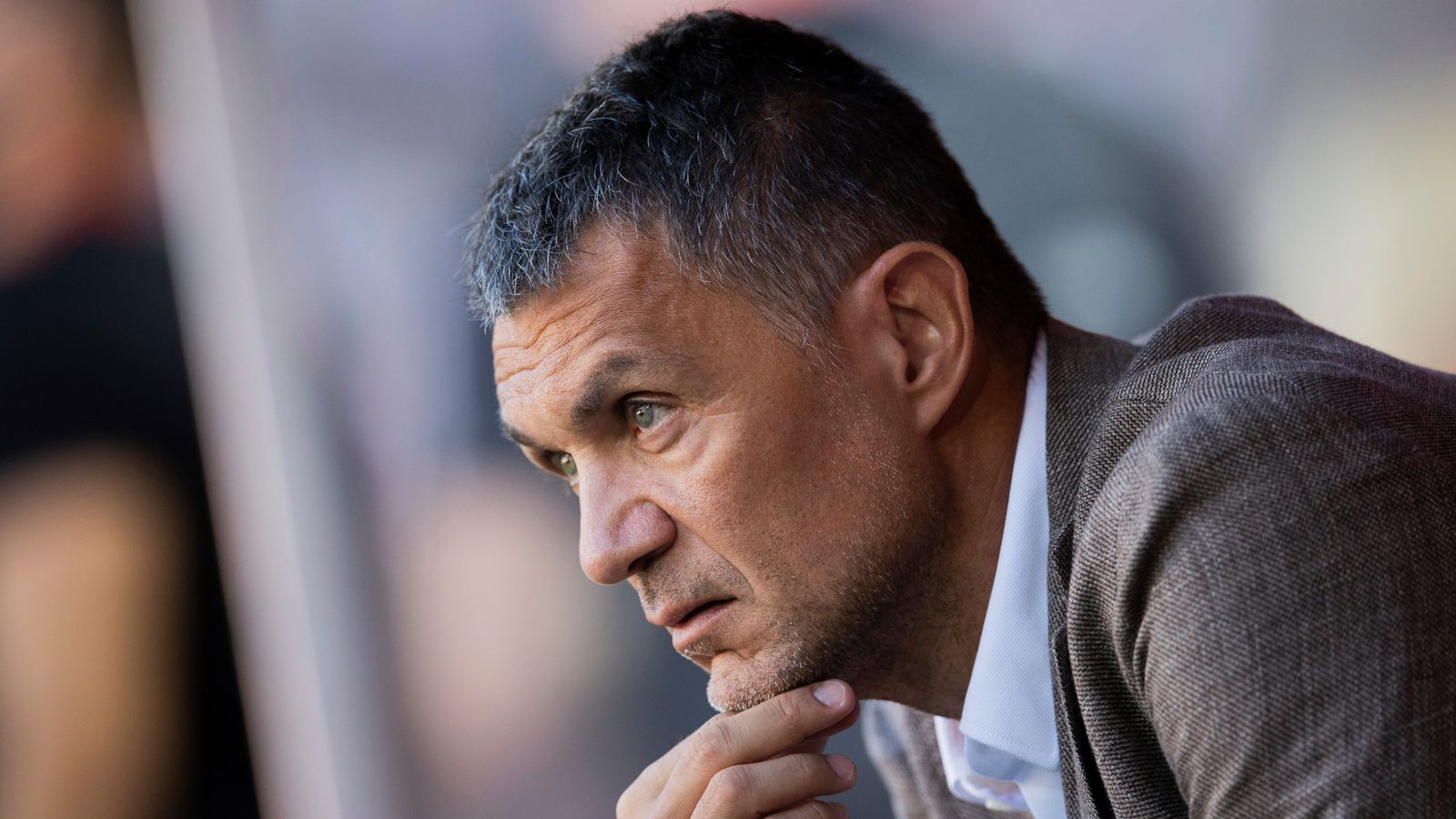
Sixteen days. That is all Paolo Maldini lasted as technical director before walking out on the FIGC. By Tuesday, FIGC president Giovanni Malago announced that Roberto Mancini has agreed to return as head coach, replacing Gennaro Gattuso while Claudio Ranieri steps into Maldini's vacant technical role.
This appointment comes immediately after Andrea Pirlo ruled himself out of the running, leaving federal executives scrambling for familiarity. Mancini's second stint begins not from a position of strategic planning, but from institutional panic.
Bringing back the coach who won Euro 2020 offers immediate public cover. Yet substituting Ranieri into an executive office while cycling back to Mancini ignores the tactical and structural issues that caused Maldini to resign in under three weeks.
Tactical friction and structural disconnect
Mancini's initial international success relied on a fluid 4-3-3 system built around controlled possession and asymmetric full-back positioning. When Jorginho controlled the tempo and Marco Verratti broke initial pressing lines, the system hid systemic flaws in domestic youth development.
That framework collapsed when opponents forced central progression into wider channels, stifling Italy's buildup phase. Reappointing Mancini does not magically fix a Serie A pipeline struggling to produce elite central creators or back-line progressors.
The brief Maldini era highlighted a clear rift between corporate federation directives and long-term technical planning. Replacing Maldini with Ranieri indicates the FIGC prioritizes conflict suppression over fixing core recruitment and youth development structures.
What to watch for in Mancini's second act
Watch the midfield construction in Mancini's first squad selection. If he reverts to a static three-man midfield without dynamic ball-carriers, Italy will run into the exact spacing bottlenecks that defined the end of his previous tenure.
Expect Ranieri's role to be primarily political rather than technical. Overseeing player development and national team logistics requires authority that Maldini realized did not exist within the current federation hierarchy.
The return of Mancini provides temporary stability on paper, but re-hiring a former manager 24 hours after target candidates walk away is not a plan. It is crisis management disguised as nostalgia.
Final prediction
Mancini will stabilize short-term results against lower-tier qualification opponents through defensive discipline and veteran organization. However, without structural reform beneath him, Italy will hit the exact same ceiling when facing high-pressing elite international sides. Expect an initial unbeaten run followed by familiar tactical friction before the year is out.
Read Next
- Roberto Mancini's Italy return exposes a structural breakdown at the core of Serie A
- Italy keeps circling back to Mancini and the fans are losing it
- Roberto Mancini inherits an Italian structural crisis after summer of chaos
- Why Paolo Maldini’s early exit spells disaster for the Italian FA
- 🇮🇹 Italy at the 2026 World Cup — Full Coverage Hub