The math behind Maldini’s 16-day resignation
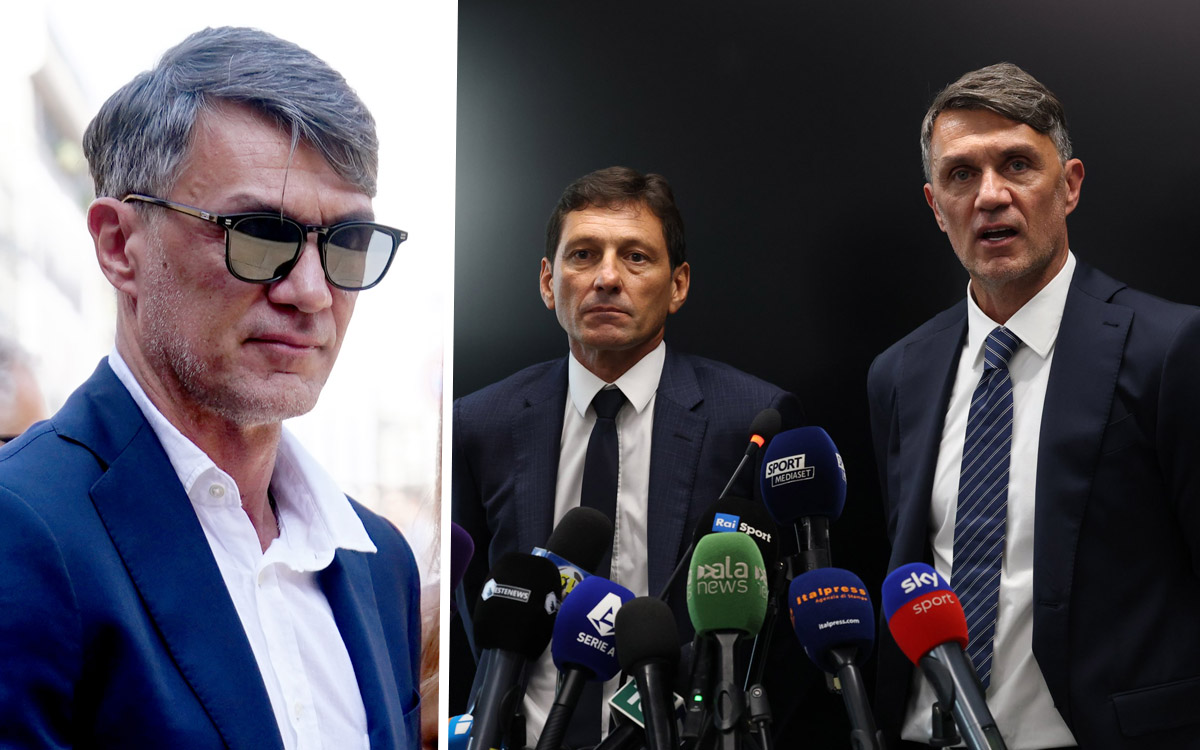
Paolo Maldini’s tenure as Italy’s technical director lasted exactly 16 days. This duration is not just brief; it is a statistical anomaly that suggests internal dysfunction rather than a mere difference of opinion. In high-stakes football administration, the first month is usually reserved for scouting cycles and personnel assessments. Maldini, however, appears to have reached his limit before he could finalize a single contract.
Defining the leadership vacuum
The core of this disagreement centers on the identity of the next head coach. Maldini reportedly pushed for Andrea Pirlo, a manager whose tactical philosophy heavily emphasizes ball possession and defensive transitions. The Italian FA, however, blocked this appointment. Without his preferred tactical figurehead, Maldini’s roadmap for the national team is effectively nullified after just over two weeks. As The Mirror reported, this standoff highlights the disconnect between pure footballing vision and administrative rigidity.
The cost of tactical misalignment
International teams operate on thin margins. When a technical director is brought in, the expectation is a long-term alignment between the scouting department and the dugout. Maldini’s brief stint mirrors the instability seen in other nations, such as the logistical hurdles currently complicating Lionel Scaloni’s work in Argentina. When the vision of the sporting leadership shifts this rapidly, consistency evaporates.
Why blocking Pirlo is a high-risk move
Pirlo’s recent managerial stats show a specific appetite for high-risk, vertical passing. If the FIGC hierarchy prefers a more conservative, defensive-minded approach, they are fundamentally rejecting the evolutionary trend seen across Europe. This rejection creates a 100% chance of future friction. By preventing the hiring of a manager who aligns with the technical director’s player pool analysis, the FA has created a vacuum of authority. This isn't just about personalities; it is about the inability to quantify the value of a modern stylistic shift.
The fallout from this resignation will likely impact scouting budgets for the next cycle. If the FA has to pivot back to a traditionalist coach, they may be forced to jettison the progress made toward a more fluid transition game. Analysts track these shifts via expected goals (xG) metrics from the last tournament, which clearly showed that Italy lacked enough creative output in the final third. Hiring a manager who does not address that 1.22 xG per match average will only compound the misery. Maldini’s exit confirms that for the Azzurri, the board room remains as lethal as the penalty box.
Read Next
- Paolo Maldini’s Italian FA exit proves the system is broken
- Andrea Pirlo's coaching career is currently dead on arrival
- Andrea Pirlo misses out on Italy job after defending Russian betting deal
- Top 10: Defining Moments of the 2025/26 Football Season
- 🇮🇹 Italy at the 2026 World Cup — Full Coverage Hub