The long wait is over, but the tactical puzzle is just beginning
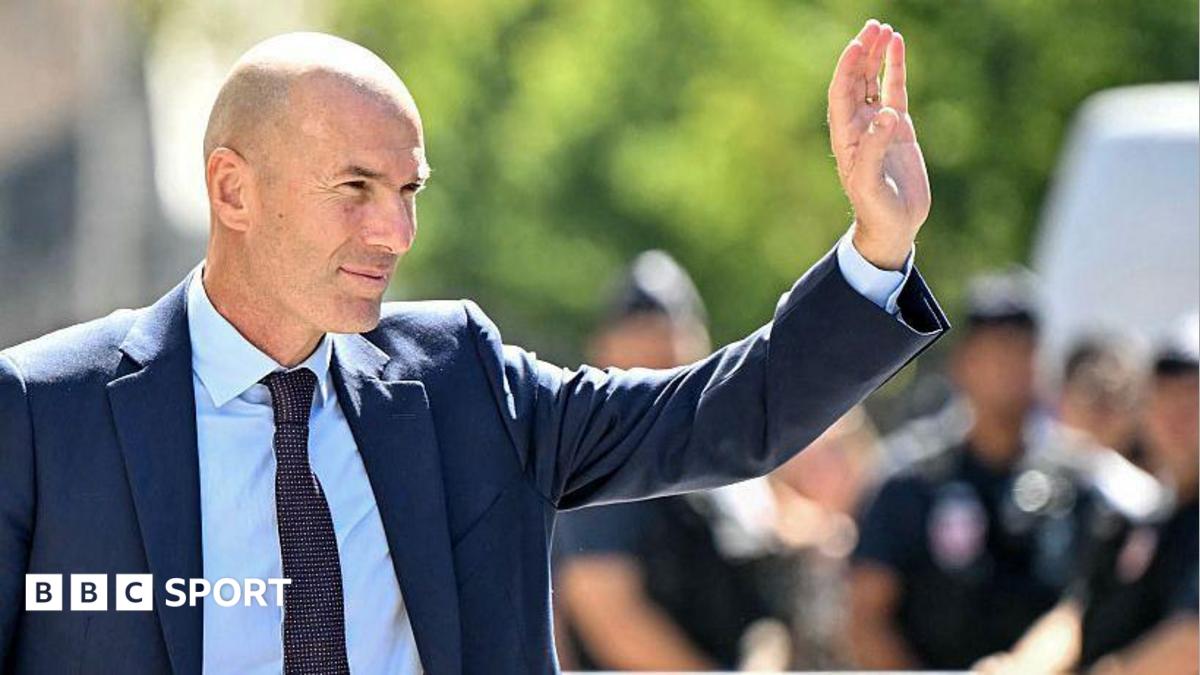
After five years sitting in self-imposed exile, Zinedine Zidane has finally landed the job he turned down half of Europe for. France have their icon on the touchline. But anyone expecting a seamless transition from the Didier Deschamps era hasn't been paying attention to how Zidane actually constructs a football team.
At Real Madrid, Zidane was the master of micro-adjustments in dynamic 4-3-3 and 4-4-2 diamond setups, leaning heavily on the defensive work rate of Casemiro and the elite positional discipline of Luka Modrić and Toni Kroos. Les Bleus are a completely different tactical beast. The squad is dynamic, hyper-talented, and deeply asymmetrical in work rate.
Looking back at how Zidane waited for France, the question isn't whether his aura will command respect in the dressing room—it obviously will. The real test is whether his pragmatic, cross-heavy positional attack can function without a traditional focal point up front and with a forward line that historically refuses to track back.
The pressing dilemma Les Bleus must solve
Deschamps built his entire international legacy on ultra-pragmatic low blocks and lethal vertical transitions. France routinely sat in a compact 4-4-2 out of possession, recording less than 48% average possession against top-tier international opponents in tournament knockout stages. Zidane’s European success with Madrid relied on sustained territorial dominance and immediate counter-pressing in the opposition third.
You cannot execute a high-tempo counter-press when your primary central attackers rank in the lowest percentiles for defensive actions per 90 minutes across top European football. If Zidane attempts to impose a high line without radical structural adjustments, France will get sliced open by disciplined midfields capable of breaking the first line of pressure.
During Madrid's three-peat Champions League run, Zidane's side averaged 18.4 crosses per game from open play, utilizing full-backs to stretch wide areas while central midfielders occupied intermediate pockets. France’s current full-back rotation simply does not profile the same way, operating far more as converted central defenders who offer minimal overlap output.
Tactical friction and the 2028 reality check
The honeymoon period will be loud, flashy, and full of optimistic press conferences. Yet the structural flaw remains obvious: France lack the mid-block press resistance that Kroos provided for a decade. Unless Zidane converts one of his athletic box-to-box midfielders into a deep-lying tempo controller, France will struggle against low blocks that cede possession entirely.
Furthermore, managing high-profile dressing rooms in club football requires daily contact and constant micro-man management. International football offers a few brief windows per year. Zidane's famous touch-on-the-shoulder management style will face its first genuine stress test when tactical ideas must be digested in four-day training camps rather than months of daily sessions.
Zidane will secure results through sheer individual talent in qualifying, but when faced with structured, modern pressing systems in major tournament play, this French side will look surprisingly clunky during their initial tactical transition. Expect growing pains, awkward shape shifts, and early tactical compromises before he finds a stable balance.
Read Next
- Roberto Mancini's Italy return exposes a structural breakdown at the core of Serie A
- Zidane is the wrong tactical fit for France's current squad
- Roberto Mancini inherits an Italian structural crisis after summer of chaos
- Celtic's striker shuffle is a gamble that leans on the wrong metrics
- 🇫🇷 France World Cup 2026 — Les Bleus Hub
- ⚽ La Liga 2025-26 — Title Race Hub
- ⭐ UCL 2026 — Champions League Quarter-Finals Hub