The FIFA Power Grab
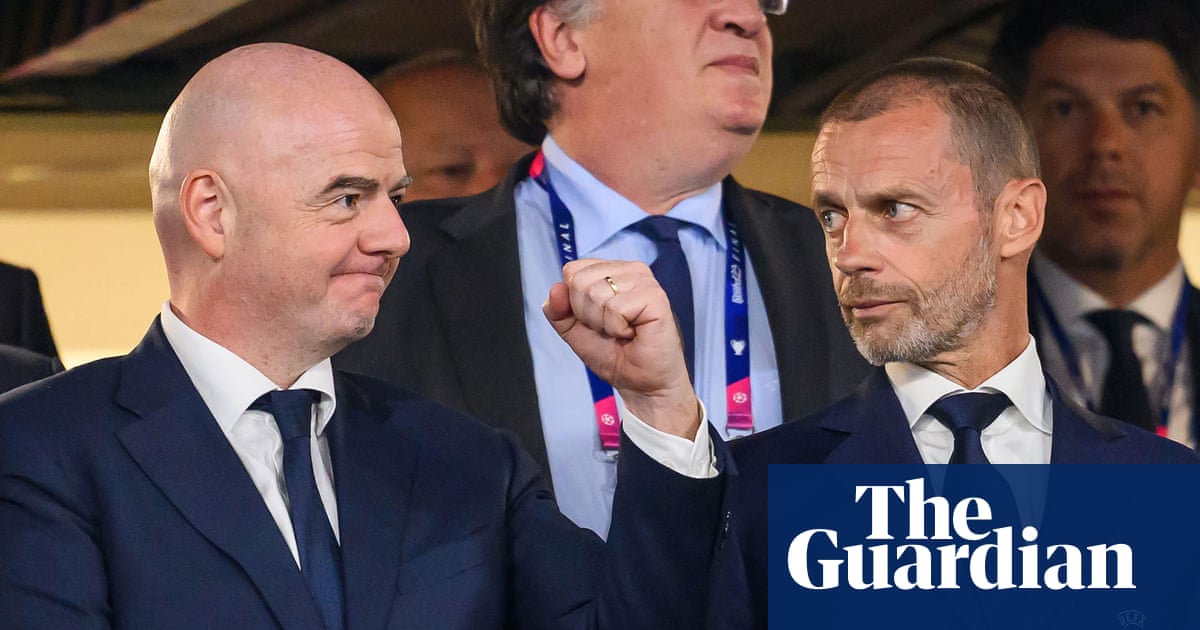
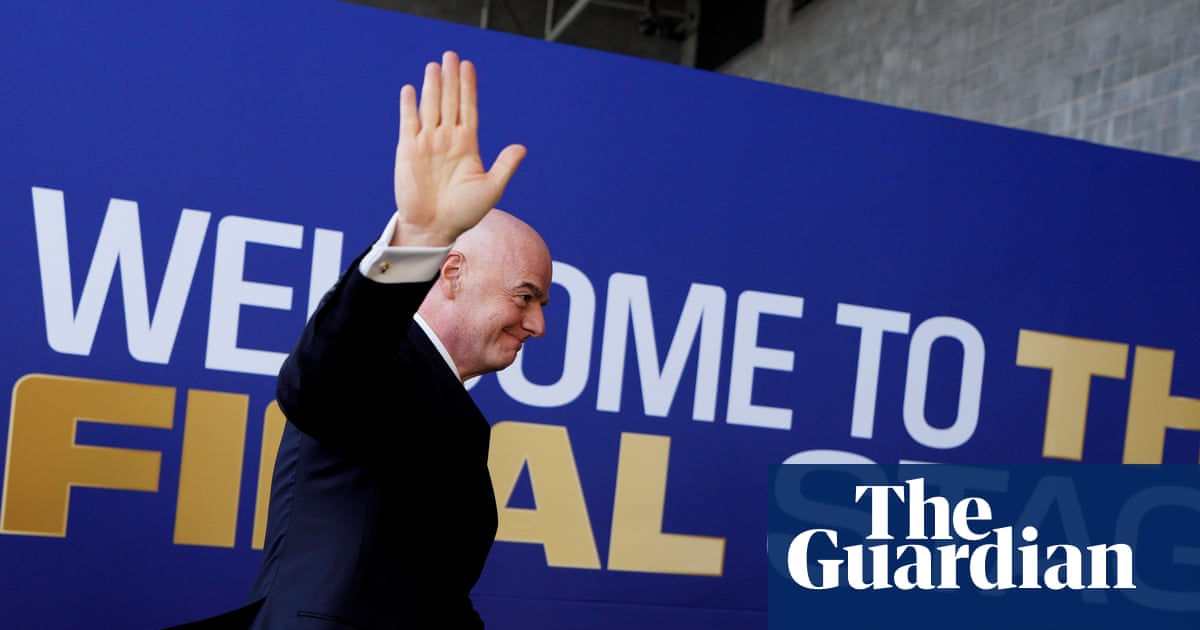
Gianni Infantino is attempting a fundamental shift in how the sport operates. Reports confirm the FIFA president is pushing a proposal to sell a significant stake in global football assets—most notably the World Cup and the Club World Cup—to private investment groups. This move would essentially treat the game’s primary growth engines as corporate equity rather than public goods.
The plan has triggered immediate backlash from stakeholders. High-profile voices, including Gary Lineker, have publicly expressed disgust, delivering a four-word assessment of the proposal as a direct threat to the sport. The sentiment matches a growing internal consensus that the governing body has lost sight of its mandate to protect the game's competitive nature.
Institutional Complicity and Hypocrisy
While the focus is on Infantino's individual ambition, the European football establishment remains conveniently silent. As recent reports suggest, the FA and other continental bodies are hardly in a position to take the moral high ground. Their own history of short-term commercial chasing mirrors the very behavior they now condemn in FIFA.
This is not the first time FIFA has flirted with selling off control to private equity. Previous attempts at similar funding models were abandoned due to fierce opposition from fan groups and domestic leagues. Infantino appears to be betting that 2026 is the year the opposition finally cracks. His tenure has been defined by expanding tournament formats, which directly increases the inventory available for sale to potential backers.
The Strategic Fallout
Selling a stake in the World Cup removes the decision-making barrier between the sport and its new financial masters. If a private equity firm owns 15% of the tournament's commercial rights, match scheduling, expansion plans, and broadcast exclusivity become contractually tied to maximize returns rather than fan access. This is a complete reordering of FIFA’s internal priorities.
Why This Matters
Critics, including those cited by The Mirror, argue that Infantino is no longer acting as a steward. He has become a liability. By prioritizing a capital injection over the preservation of the sport’s identity, he risks severing the trust of the very national associations he purportedly represents.
- Player fatigue and injury risk are already at an all-time high due to calendar congestion.
- Private investment models typically demand more events, not fewer, to recoup costs.
- The long-term impact on grassroots funding remains undefined and highly suspect.
The danger here is not just the loss of control—it is the normalization of the sale. If FIFA successfully sells pieces of the World Cup, other continental bodies will inevitably follow suit for smaller competitions. The result is a fragmented, hyper-commercialized version of the sport where the calendar is dictated by hedge fund liquidity rather than athletic performance. As Gary Lineker noted, the scale of this reaction is rare, marking a potential pivot point in how national federations view the current presidency.
A Broken Booking Strategy
Infantino’s biggest flaw remains his belief that investors will value the game the same way fans do. He is treating the sport like an underperforming tech asset that simply needs better capitalization. This ignores the reality that football's value is derived precisely from its resistance to complete corporate sterilization.
The lack of a transparent, alternative plan for sustainable growth outside of private investment reveals a lack of imagination at the executive level. FIFA is currently leaning on a strategy of perpetual expansion, which is mathematically unsustainable. Eventually, the product will stretch too thin. Until then, the push for private capital remains the primary—and most dangerous—storyline in international football management.